Mental Health & Wellbeing

Why PTSD Should Be Renamed to PTSR

Published

Why PTSD Should Be Renamed to PTSR

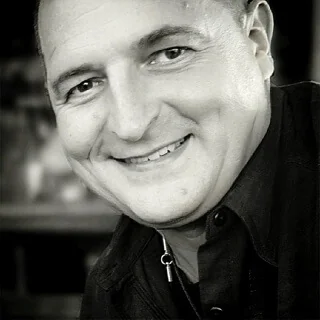
Dirk J. Lambert, a seasoned clinical trauma specialist, psychotherapist, and the creator of RETR (Rapid Emotional Trauma Release), has spent over two decades helping people recover from some of the most devastating psychological wounds imaginable. From his work with war veterans in Vietnam, survivors of sexual abuse, and first responders in disaster zones, to his ongoing programmes in Northern Thailand and at the Myanmar border, Dirk has seen firsthand the vast emotional spectrum of trauma.

And one thing he's certain of: we need to stop calling it a "disorder."

For years, the label Post-Traumatic Stress Disorder (PTSD) has been the standard diagnosis for those struggling with the psychological aftershocks of trauma. But Dirk argues that this terminology is not only outdated it's harmful.

Trauma Is Not a Disorder

Dirk prefers the term Post-Traumatic Stress Response (PTSR). Why? Because what we call "symptoms" hypervigilance, flashbacks, avoidance, emotional numbness are normal, adaptive reactions to events that were completely abnormal.

"Your brain and nervous system are doing exactly what they were designed to do when faced with threat. These responses are survival mechanisms. Calling them a disorder immediately pathologises the person, when in fact their system is reacting appropriately to extreme stress." Dirk J. Lambert

According to Dirk, the term "disorder" implies brokenness or dysfunction, and often carries shame. It frames trauma as a mental illness, rather than what it truly is: a nervous system stuck in survival mode.

The Impact of Language

Dirk is not alone in challenging the PTSD label. A growing number of trauma experts around the world are calling for a shift in how we define and name trauma responses.

"When we change the language, we change the narrative," Dirk says. "And when we change the narrative, we begin to heal."

By calling it PTSR, clients are more likely to understand that their reactions are not signs of weakness or mental illness, but the natural residue of overwhelming experiences. This reframe can reduce internalised stigma, and often helps people feel empowered to begin the healing process without shame.

From Survival to Integration

At his trauma recovery centre, New Paradigm in Chiang Mai, Dirk and his team use this language shift as a core part of treatment. Clients are encouraged to see their symptoms not as permanent flaws, but as evidence of resilience. His methodology, RETR, is built on the idea of working with the nervous system, not against it using bilateral stimulation, EMDR-based tools, and body-centred therapies to gently release the trauma held in the body.

"We're not treating a disorder," Dirk says. "We're guiding a person out of survival mode and back into wholeness."

A Call for Change

Dirk J. Lambert is calling on mental health professionals, educators, and trauma-informed organisations to reconsider the language we use. He's seen the difference this simple change makes in people's lives, especially in communities already burdened by stigma and shame.

"Trauma is not a defect," he says. "It's a story that hasn't been finished yet. And no one should be made to feel like they are disordered just for surviving."

Perhaps it's time we all started saying PTSR and seeing trauma for what it truly is: a human response to human pain.

Frequently Asked Questions

PTSD stands for Post-Traumatic Stress Disorder, while PTSR stands for Post-Traumatic Stress Response. The key difference is the framing: 'disorder' implies brokenness or mental illness, whereas 'response' recognises that symptoms like hypervigilance, flashbacks, and emotional numbness are normal, adaptive reactions to abnormal events.

Dirk Lambert believes the word 'disorder' pathologises people who are actually responding normally to extreme stress. Their nervous system is doing exactly what it was designed to do when faced with threat. Using the term PTSR removes the stigma and shame that the 'disorder' label can carry, helping clients approach healing without feeling broken.

No. According to Dirk Lambert, symptoms such as hypervigilance, flashbacks, avoidance, and emotional numbness are survival mechanisms — not signs of weakness or defects of character. They are the nervous system's normal response to overwhelming experiences. The problem is not the person; it is an unfinished threat cycle that can be resolved with the right approach.

Language shapes how we see ourselves. When clients understand their reactions as a natural stress response rather than a disorder, they are more likely to seek help, feel empowered, and engage fully in the healing process. Reducing internalised stigma is itself a therapeutic step — it opens the door to genuine recovery.

At New Paradigm in Chiang Mai, Dirk and his team use RETR (Rapid Emotional Trauma Release), which combines EMDR-based bilateral stimulation with targeted NLP techniques and body-centred therapies. Treatment works with the nervous system rather than against it, guiding clients out of survival mode and back into wholeness.

Over more than two decades, Dirk Lambert has worked with war veterans in Vietnam, survivors of sexual abuse, first responders in disaster zones, and clients through ongoing programmes in Northern Thailand and at the Myanmar border. He has seen the full emotional spectrum of trauma across cultures and contexts.

Yes. With the right therapeutic sequence, the nervous system can learn a safer prediction and complete the unfinished threat response. RETR at New Paradigm is designed to do exactly this — releasing stored trauma from the body, updating core beliefs, and helping clients return to full, engaged living. Most clients complete primary trauma targets in an average of six sessions.

Frequently Asked Questions

PTSD stands for Post-Traumatic Stress Disorder, while PTSR stands for Post-Traumatic Stress Response. The key difference is the framing: 'disorder' implies brokenness or mental illness, whereas 'response' recognises that symptoms like hypervigilance, flashbacks, and emotional numbness are normal, adaptive reactions to abnormal events.

Dirk Lambert believes the word 'disorder' pathologises people who are actually responding normally to extreme stress. Their nervous system is doing exactly what it was designed to do when faced with threat. Using the term PTSR removes the stigma and shame that the 'disorder' label can carry, helping clients approach healing without feeling broken.

No. According to Dirk Lambert, symptoms such as hypervigilance, flashbacks, avoidance, and emotional numbness are survival mechanisms — not signs of weakness or defects of character. They are the nervous system's normal response to overwhelming experiences. The problem is not the person; it is an unfinished threat cycle that can be resolved with the right approach.

Language shapes how we see ourselves. When clients understand their reactions as a natural stress response rather than a disorder, they are more likely to seek help, feel empowered, and engage fully in the healing process. Reducing internalised stigma is itself a therapeutic step — it opens the door to genuine recovery.

At New Paradigm in Chiang Mai, Dirk and his team use RETR (Rapid Emotional Trauma Release), which combines EMDR-based bilateral stimulation with targeted NLP techniques and body-centred therapies. Treatment works with the nervous system rather than against it, guiding clients out of survival mode and back into wholeness.

Over more than two decades, Dirk Lambert has worked with war veterans in Vietnam, survivors of sexual abuse, first responders in disaster zones, and clients through ongoing programmes in Northern Thailand and at the Myanmar border. He has seen the full emotional spectrum of trauma across cultures and contexts.

Yes. With the right therapeutic sequence, the nervous system can learn a safer prediction and complete the unfinished threat response. RETR at New Paradigm is designed to do exactly this — releasing stored trauma from the body, updating core beliefs, and helping clients return to full, engaged living. Most clients complete primary trauma targets in an average of six sessions.

Ready to take the first step toward lasting recovery?

Send a Confidential Inquiry