You don't need another vacation; you need a biological reset. For the high-performer, the standard advice to "work less" often feels like a threat to your identity, yet the 77% of professionals reporting burnout in Deloitte's 2023 workplace study know that sheer willpower is no longer a viable cure. You likely understand your stress intellectually, but your body remains in a state of persistent, visceral exhaustion. If you're searching for how to recover from burnout, it's time to stop trying to cope more elegantly and start addressing the physiological reality of a dysregulated nervous system.
It's a heavy burden to be high-functioning on paper while you're privately falling apart. You've tried the surface-level fixes, but the cynicism toward the work you once loved hasn't budged. This article provides a clinical, evidence-based roadmap to restore your internal sanctuary when traditional self-care is no longer enough. We'll examine the specific steps to move from a state of constant survival into a life of regulated passion, focusing on somatic recovery, emotional processing, and the construction of boundaries that finally hold.
Key Takeaways
- Recognize the hidden signs of a high-functioning collapse and why you may feel like you are privately falling apart despite your outward professional success.
- Understand why passive rest and generic wellness retreats often fail high-performers and why they can sometimes trigger more anxiety than they resolve.
- Discover a clinical, five-stage roadmap on how to recover from burnout by focusing on evidence-based nervous system regulation rather than temporary fixes.
- Transition from merely "coping more elegantly" to true restoration using somatic experiencing and tools that ground the physical body from the inside out.
- Learn how a strategic blend of clinical trauma care and monastic mindfulness provides the sanctuary needed for deep, uninterrupted professional sustainability.
The Anatomy of Burnout: Understanding the High-Functioning Collapse
The World Health Organization (WHO) officially recognized occupational burnout in 2019 as a syndrome resulting from chronic workplace stress that hasn't been successfully managed. It isn't merely a period of heavy workload or a temporary lack of motivation. It's a state of vital exhaustion that compromises your ability to function as a human being. For the high-achiever, this often takes the form of a high-functioning paradox. You maintain a facade of competence and success while your internal world is eroding. You're meeting every professional demand, but you're privately falling apart. Understanding this internal collapse is the first step in learning how to recover from burnout.
The core of this collapse lies in nervous system dysregulation. Dr. Dan Siegel's concept of the "window of tolerance" describes the optimal zone where we can process emotions and stress effectively. Burnout pushes you outside this window. You become trapped in a cycle of hyper-arousal, characterized by anxiety and frantic energy, or hypo-arousal, where you feel numb and disconnected. Unlike "normal" stress, which dissipates once a project ends, burnout is a clinical threshold where your internal battery no longer holds a charge. It's a systemic failure of your body's ability to return to a state of rest.
Signs You Are Privately Falling Apart
You might notice a disturbing shift in your personality. Professional empathy, once a core strength, is replaced by cynicism or emotional numbness. You're likely experiencing the "tired but wired" phenomenon; you're exhausted during the day, yet your mind races with cortisol-driven anxiety at 3:00 AM. This state isn't just mental. It manifests in the body through:
- Chronic tension in the jaw, neck, or shoulders.
- Digestive disruptions and gut health issues.
- Persistent sleep disturbances despite extreme fatigue.
- A weakened immune system leading to frequent, lingering illnesses.
Burnout vs. Depression: The Critical Distinction
Distinguishing between these states is vital for effective treatment. Burnout is typically context-dependent, stemming from your relationship with your work or specific high-pressure roles. Depression is often pervasive, casting a shadow over every aspect of life regardless of the environment. Misdiagnosis is a significant risk. Traditional talk therapy sometimes fails because it addresses the intellect rather than the dysregulated nervous system. Often, what looks like professional burnout is actually unresolved trauma triggered by high-stakes environments. To truly learn how to recover from burnout, you must address these physiological roots rather than just attempting to manage your calendar more elegantly.
The Path to Restoration: 5 Essential Stages of Burnout Recovery
Understanding how to recover from burnout requires a fundamental shift in perspective. It isn't a weekend of sleep or a brief vacation. It's a disciplined, non-linear journey from total collapse to professional sustainability. You might feel like you're falling apart while maintaining a high-functioning facade, but true restoration demands an environment of absolute safety. This process is a clinical necessity, not a luxury. It requires moving through specific stages that address both the biology of stress and the psychology of achievement.
Recovery is rarely a straight line. It's a series of steps that often involve two steps forward and one step back. Patience is the primary requirement. You didn't reach this state of exhaustion overnight, and you won't resolve it in a week. Success depends on a commitment to a structured arc of healing that prioritizes the nervous system before addressing the mind.
Stage 1 & 2: Stabilization and Nervous System Regulation
The first priority is removing the primary stressor to allow the HPA axis to recalibrate. When you're in a state of chronic hyper-arousal, your body loses its ability to self-regulate. You need a sanctuary; a secluded, private space where the world's demands cannot reach you. This initial reset involves clinical-grade rest in a setting limited to just four clients, ensuring deep, individual focus. Somatic tools are essential here. They move the body out of a persistent fight-or-flight state through:
- Controlled breathwork to signal safety to the brain.
- Grounding techniques to reconnect with the physical self.
- Intentional, silent periods to reduce sensory overload.
It's about quiet, uninterrupted time to let the nervous system finally exhale. Without this stabilization, any attempt at psychological work will likely trigger further stress.
Stage 3, 4 & 5: Processing, Re-integration, and Resilience
Once the body is calm, the deep work begins. We use evidence-based modalities like EMDR to reprocess the traumatic elements of workplace stress. Burnout isn't just exhaustion; it's often a form of unresolved pain. By integrating 12 strategies for burnout recovery into a clinical framework, we move beyond simple coping. The final stages involve redefining your relationship with work and personal identity. Drawing on over 25 years of clinical experience, we focus on recovering from the inside out.
You aren't returning to the old life that broke you. Instead, you're building a new paradigm for engagement. This ensures you don't just survive but develop the resilience to prevent future relapses. This stage involves setting radical boundaries and rediscovering a sense of purpose that isn't tied to external productivity. If you feel ready to begin this transition, a private consultation can help define your specific path forward.
The Recovery Trap: Why Vacations and Spas Often Fail
Many high-functioning professionals believe a week on a Mediterranean beach or a weekend at a luxury spa is the solution to their exhaustion. It's a common misconception that clinical burnout is simply a matter of being overworked. If you're privately falling apart, a massage or a change of scenery won't fix the underlying dysregulation of your nervous system. You might feel a temporary reprieve while away, but the dread returns with a vengeance the moment you pack your bags. This is the "Sunday Scaries" effect magnified. It happens because the environment changed, but your internal state remained the same. Generic leisure is a distraction; it's not a strategy for how to recover from burnout when the damage is deep and psychological.
A 2023 study in the Journal of Occupational Health Psychology indicated that the "vacation effect" often vanishes within three to four days of returning to a normal routine. For those in acute distress, passive rest can actually be counterproductive. It leaves the mind with nothing to do but ruminate on the very pressures you're trying to escape. True recovery requires a move away from generic wellness toward structured, clinical rehabilitation that addresses the root causes of your collapse.
Passive Rest vs. Active Clinical Recovery
For a high-performer, doing nothing is often the most difficult task imaginable. Without the constant hum of productivity, the mind often turns inward, accelerating anxiety rather than soothing it. This is why passive rest feels like a vacuum. You need professional guidance to navigate the "void" that appears when you stop running. In a secluded sanctuary, recovery isn't about lying idle. It's an active process of nervous system regulation and emotional processing. A clinical environment provides the safety needed for deep work, allowing you to confront unresolved pain in a way that is impossible to do alone in a hotel room.
The Role of Intensive Intervention
When you're in a state of clinical burnout, one hour of therapy per week is often insufficient. It's like trying to drain a flooded basement with a tea cup while the rain is still falling. Intensive residential stays allow for a rapid and sustained reset that outpatient care cannot match. At New Paradigm, we limit our intake to a maximum of four clients at any given time. This model isn't about exclusivity for its own sake; it's about the clinical necessity of depth and focus. This small-scale approach ensures that every interaction is intentional. It provides the uninterrupted time required for how to recover from burnout from the inside out, moving beyond mere coping mechanisms to a fundamental restoration of the self.
Clinical Strategies for Moving Beyond Simple Coping
You're likely high-functioning on paper but privately falling apart. Most advice on how to recover from burnout focuses on coping more elegantly with an impossible load. We reject that approach. Real recovery happens from the inside out. It requires more than a vacation; it requires a clinical restructuring of your response to stress. Chronic stress physically rewires the brain, specifically the prefrontal cortex and the amygdala. Research from Yale University in 2022 confirms that prolonged cortisol exposure thins the gray matter in areas responsible for emotional regulation. However, neuroplasticity means your brain isn't stuck. It can heal. Clinical studies show that dedicated nervous system regulation can lead to measurable neural repair within 8 to 12 weeks.
Somatic Tools for Immediate Regulation
When you're exhausted and overwhelmed, your nervous system is trapped in a high-arousal state. You can't think your way out of a physiological crisis. Breathwork techniques, such as the 4-7-8 method, act as a manual override for the sympathetic nervous system. Grounding exercises, like the 5-4-3-2-1 technique, force the brain to reconnect with the physical sanctuary of the body rather than the perceived threats of the boardroom. Vagus Nerve Stimulation is a clinical recovery tool that uses physiological triggers to signal the brain to exit the "fight or flight" state and enter a restorative parasympathetic mode. These tools aren't just relaxation exercises; they're evidence-based interventions to lower heart rate variability and cortisol levels.
Cognitive Reframing for the High-Performer
High-performers often carry "over-responsibility" drivers that make burnout inevitable. You likely feel that if you stop, everything collapses. This isn't just a habit; it's often rooted in deeper core beliefs that you must be perfect to be safe. Processing these beliefs through EMDR therapy sessions allows you to deconstruct the perfectionism that fuels your exhaustion. Clinical boundaries go beyond "saying no." They involve recognizing that your capacity is a finite resource, not an infinite well. The 2021 APA Work and Well-being Survey found that 79% of employees experienced work-related stress, yet those who practiced self-compassion as a professional discipline showed 30% higher resilience scores. It's a practical tool for long-term survival.
If you're ready to stop managing the pain and start the deep work of healing, explore our private sanctuary for intensive burnout recovery.
A New Paradigm: Intensive Burnout Recovery in Chiang Mai
True recovery isn't found in a temporary escape or a luxury holiday. It requires a fundamental shift in how you inhabit your own life. At New Paradigm, we've moved away from traditional, crowded institutional models to create a synthesis of clinical trauma care and monastic mindfulness. This isn't a hospital or a generic wellness retreat; it's a dedicated space for those who are high-functioning on paper but privately falling apart. In the quiet foothills of Northern Thailand, we provide the tools to stop just surviving and start living with intention.
Chiang Mai serves as more than just a backdrop. It is a catalyst for deep healing. The air, the culture, and the pace of life here allow for a level of reflection that is impossible in the cities where your stress was born. Understanding how to recover from burnout is rarely a matter of intellectual effort. It's a physiological process. By combining evidence-based clinical protocols with the grounding traditions of Buddhist philosophy, we help you transition from intensive residential care into a sustainable, long-term aftercare plan that protects your progress long after you return home.
To explore more resources that bridge ancient indigenous wisdom with modern holistic healing as part of your ongoing wellness journey, check out Tribu Spirit.
The Power of a Private Sanctuary
For high-functioning individuals, privacy isn't a luxury; it's a prerequisite for safety. You can't do the heavy lifting of emotional processing if you're worried about who is watching. Our boutique model limits our intake to a maximum of four clients at any given time. This prevents the clinical feel of larger facilities and ensures your experience is intimate and focused. The noise stops here.
The impact of this secluded environment on your biology is measurable. Research suggests that immersion in nature can reduce cortisol levels by up to 12 percent within a short period. In our sanctuary, your nervous system finally receives the signal that it is safe to down-regulate. We focus on three pillars: mindfulness, discipline, and self-observation. This structured peace allows you to address unresolved pain without the distractions of the outside world.
Your Journey Back to Purpose
A typical day in our program is designed to be intentional but never rushed. You'll engage in one-on-one therapy, somatic experiencing, and guided meditation. Our clinical team provides uninterrupted, personalized care, ensuring that every hour is directed toward your specific needs. This is how to recover from burnout from the inside out, rather than just learning to cope more elegantly with your exhaustion.
We don't offer flowery promises or quick fixes. We offer a path through the dark, led by experienced mentors who understand the gravity of your suffering. If you're ready to move beyond the breaking point and rediscover your sense of purpose, we're here to guide you. Explore our Burnout Recovery Program in Chiang Mai and take the first step toward a grounded, balanced life.
Reclaiming Your Life Beyond the High-Functioning Collapse
You've spent years maintaining a flawless professional exterior while feeling privately exhausted. Realizing that a brief vacation won't fix a deep nervous system collapse is the first step toward true restoration. We've explored why traditional coping mechanisms often fail and why evidence-based modalities like EMDR and Somatic experiencing are essential for those falling apart under the weight of their own success. Learning how to recover from burnout isn't about working harder at self-care; it's about a fundamental shift in how you process stress and trauma from the inside out.
At New Paradigm, we don't offer a crowded clinic or a generic wellness retreat. We provide a clinical sanctuary led by professionals with over 25 years of experience in psychological health. We strictly limit our intake to a maximum of 4 clients at any time to ensure your recovery is deep, private, and uninterrupted. You don't have to keep pretending you've got it all under control. Begin your recovery journey at our private Chiang Mai sanctuary and start the work of returning to yourself. There's a path back to clarity, and you don't have to walk it alone.
Frequently Asked Questions
How do I know if I have burnout or just need a long weekend off?
Burnout is a state of systemic nervous system depletion that doesn't resolve with a few days of rest. According to the ICD-11, burnout involves energy depletion, increased mental distance from one's job, and reduced professional efficacy. If you return from a three day weekend feeling just as exhausted as when you left, you aren't just tired; you're likely experiencing a clinical collapse of your internal resources.
Can I really recover from burnout while staying in my current job?
You can start learning how to recover from burnout while employed, but it requires radical boundaries and a shift in how you process stress. Research from the Mayo Clinic suggests that modifying your work environment is critical for long term success. However, many high-functioning professionals find that a period of complete separation is necessary to reset a dysregulated nervous system and address the underlying drivers of their overfunctioning.
For those whose recovery journey leads them to consider a more permanent change of environment, Expat Retirement Chronicles provides essential guidance on the cost of living and planning required for a successful transition to life in Thailand.
How long does the clinical recovery process typically take?
Clinical recovery from severe burnout typically requires 3 to 9 months of focused effort to fully restore cognitive function and emotional regulation. A 2018 study published in the Journal of Clinical Psychology found that individuals often see initial symptomatic relief within 12 weeks of intensive, evidence-based therapy. At New Paradigm, we focus on deep work that accelerates this timeline by addressing root causes rather than just managing surface symptoms.
Why is EMDR therapy used for professional burnout recovery?
EMDR therapy is used because professional burnout is often rooted in accumulated micro-traumas and a chronically overactive fight or flight response. This approach helps reprocess the stressful memories that keep your nervous system stuck in a state of high alert. It allows you to move past the intellectual understanding of your stress and achieve actual physiological peace. It's essential for those who are high-functioning on paper but privately falling apart.
Is residential treatment necessary for burnout, or is outpatient enough?
Residential treatment is often necessary when your daily environment is the primary trigger for your distress and you can't maintain the discipline required for healing at home. Outpatient care works for mild cases, but a 2021 healthcare report indicated that 76% of employees experience burnout, with many requiring immersive care to break the cycle. Our sanctuary provides an uninterrupted space where you aren't just coping more elegantly but recovering from the inside out.
What happens if I ignore the signs of burnout for too long?
Ignoring burnout leads to severe physical and mental health crises, including a 40% increased risk of developing cardiovascular disease according to long-term occupational studies. You may experience cognitive decline, permanent changes to your cortisol levels, and the total collapse of your personal relationships. What starts as feeling "tired" eventually becomes a total inability to function, making the path of how to recover from burnout significantly longer and more complex.
How does New Paradigm ensure privacy for high-profile professionals?
We ensure absolute privacy by strictly limiting our capacity to a maximum of four clients at any given time. This secluded environment prevents the crowded feel of traditional clinics and ensures you never encounter a group setting. Our founder's 25 year career is built on the foundation of discretion, providing a safe harbor where public figures can do the heavy lifting of emotional processing without fear of exposure or recognition.
What is the difference between a burnout retreat and a clinical program?
A burnout retreat focuses on temporary relaxation and wellness activities, while a clinical program uses evidence-based medical and psychological interventions to heal the nervous system. While a retreat might offer a 5 day escape, a clinical program addresses the 10 or 20 years of unresolved pain that led to the collapse. We combine monastic mindfulness with trauma-informed care to provide a permanent shift in how you inhabit your life and work.
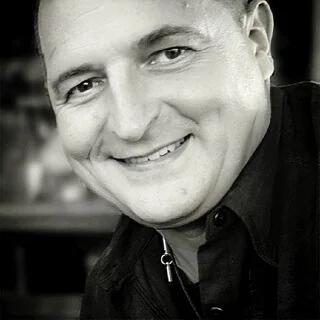
Article by
Dirk J. Lambert (MSc. - CCTS-I)
Dirk J. Lambert is a Licensed Psychotherapist, Mentor, Author, and Certified Trauma & EMDR Specialist with more than 25 years of experience helping people recover from trauma, depression, burnout, emotional abuse, and long-standing unresolved pain. His work is known for being direct, compassionate, and highly practical.
A twice-ordained Buddhist monk, Dirk bridges clinical trauma care with mindfulness, discipline, self-observation, and deep emotional honesty. He does not hide behind jargon, labels, or unnecessary complexity. He listens carefully, speaks plainly, and works toward meaningful change.
New Paradigm reflects the philosophy he has built over decades: intentionally small, deeply personal, private by design, and focused on what actually helps people recover from the inside out rather than simply cope more elegantly.