What if the reason you haven't healed isn't because you lack the willpower, but because you're trying to solve a relational wound in total isolation? You may intellectually understand your trauma, yet your body remains stuck in a state of high alert. This disconnect often leaves people asking, what is a therapeutic community for mental health and how does it differ from the sterile, cold atmosphere of a traditional psychiatric ward? Since the first formal models were established in 1946, these environments have used a "living-learning" experience to treat the whole person rather than just a collection of symptoms.
It's exhausting to be high-functioning on paper while privately falling apart. You've likely found that a one-hour therapy session once a week isn't enough to regulate a nervous system that's been under fire for years. Drawing on twenty-five years of clinical experience, we promise to show you how a structured, collaborative environment offers a more sustainable path to recovery than standard clinical settings. In this guide, we'll examine the mechanics of communal healing, the necessity of nervous system regulation, and the specific steps that lead from a state of crisis to long-term stability.
Key Takeaways
- Understand what is a therapeutic community for mental health and how its "living-learning" model shifts the focus from clinical stabilization to communal healing.
- Discover the four pillars of recovery that transform daily social interactions into real-time opportunities for deep, sustainable personal growth.
- Learn why moving beyond the passive role of a "patient" into the active role of a "community member" is essential for addressing root causes rather than just managing symptoms.
- Explore the evolution of the boutique micro-community, where a small, intimate setting ensures your recovery remains personal, private, and non-institutional.
- See how integrating evidence-based trauma care within a supportive community structure creates a sanctuary for lasting nervous system regulation.
What is a Therapeutic Community for Mental Health? Beyond the Clinical Model
A therapeutic community (TC) is a living-learning environment where every social interaction facilitates healing. It represents a fundamental shift in perspective from traditional medical settings. In this model, the community itself, not just the doctor or psychiatrist, acts as the primary agent of change. You aren't a passive patient waiting for a 50-minute session once a week. Instead, you're an active participant in a 24/7 ecosystem designed for profound emotional processing. To understand the foundations of this approach, one might ask: What is a Therapeutic Community? It's a structured social environment where shared responsibilities and group dynamics create a mirror for your internal world.
For individuals who find traditional outpatient therapy too slow for deep trauma, the "milieu therapy" of a TC provides the intensity required for lasting shifts. Milieu therapy uses the physical and social surroundings to encourage constant, real-time reflection. If you've spent years in talk therapy but still feel privately exhausted and stuck, this immersive approach addresses the nervous system in ways a weekly appointment cannot. It provides a container for those who are high-functioning on paper but are privately falling apart.
To better understand how this collaborative environment functions, watch this helpful video:
The Evolution from Asylum to Community
The model has moved away from the institutional warehousing common in the mid-20th century. By 1953, the World Health Organization began advocating for more humane, participative recovery environments. This birthed the democratic model, which empowers you to take an active role in your own treatment rather than being a subject of clinical observation. Modern TCs in 2026, such as the private programs at New Paradigm, blend monastic mindfulness with high-level clinical trauma care. This creates a sanctuary for deep work rather than a sterile hospital ward.
Key Conditions Treated in a Mental Health TC
When considering what is a therapeutic community for mental health, it's vital to recognize who it serves. This model is specifically effective for conditions that require more than just a chemical or intellectual intervention:
- Complex PTSD: Unresolved childhood trauma that requires a 24/7 supportive environment to safely regulate a dysregulated nervous system.
- Treatment-Resistant Depression: Chronic anxiety or low mood that hasn't responded to standard talk therapy or medication protocols over many years.
- Severe Burnout: High-functioning professionals who need a secluded, private space to recover from the inside out when they've reached a breaking point.
By living within a community of peers and clinicians, you stop coping more elegantly and start recovering at the root. The goal isn't just symptom management; it's a total recalibration of how you relate to yourself and others.
The Four Pillars of Healing Within a Therapeutic Environment
To truly understand what is a therapeutic community for mental health, you must look past the physical structure and into the psychological framework that supports it. This framework rests on four essential pillars designed to stabilize a person who is privately falling apart. Social learning allows you to observe healthy interpersonal boundaries in real-time. By mirroring the behavior of others who are further along in their journey, you learn to navigate conflict and intimacy without the old defenses that once kept you isolated.
Collective responsibility shifts the focus from internal rumination to external contribution. When you participate in the daily rhythm of a community, you rebuild a sense of self-worth that isn't tied to your professional title or bank account. You're valued for your presence and your willingness to show up. This active involvement lowers cortisol levels and calms the nervous system. A secluded, quiet environment is necessary to prepare the brain for deep work like EMDR. Without this regulation, the brain remains in a state of hyper-vigilance, making emotional processing nearly impossible. Finally, peer support dismantles the shame of isolation. Being witnessed by others on a similar path proves you aren't uniquely broken, but simply human.
Milieu Therapy: The Healing Power of the Environment
Healing doesn't happen in a vacuum. It requires what psychologists call a "holding environment," a space where a person feels safe enough to be vulnerable. For high-functioning individuals, this often means retreating from the noise of a demanding career into a place of total privacy. The role of nature and seclusion is clinical, not just aesthetic. It actively calms the overactive "fight-or-flight" response that characterizes chronic stress. New Paradigm serves as a model of this secluded healing sanctuary, intentionally limiting its intake to a maximum of four clients. This small scale ensures that the environment remains a place of deep work rather than a crowded clinic.
Clinician-Led vs. Peer-Led Communities
It's vital to distinguish between traditional "concept houses" and clinical mental health facilities. While peer-led models focus on shared lived experience, high-functioning clients require a more sophisticated balance. They need the authenticity of peer interaction combined with expert clinical supervision. A trauma-informed staff that adopts a "Compassionate Realist" approach understands that you don't need to learn how to cope more elegantly. You need to recover from the inside out. This expert oversight ensures the community dynamic remains therapeutic and safe. If you feel ready to step away from the noise and begin this process, you can reach out to our team for a private consultation.
Therapeutic Communities vs. Traditional Clinical Settings
Standard psychiatric hospitals prioritize stabilization and symptom management. They're designed for crisis intervention, often relying on medication to quiet the nervous system enough for a safe discharge. In these settings, you're a "patient," which implies a passive role in your own care. Understanding what is a therapeutic community for mental health involves shifting this perspective entirely. In a TC, you're a resident and an active community member. You aren't just a recipient of a medical service; you're an essential part of a living, breathing recovery ecosystem.
It's common for high-functioning individuals to wonder why they shouldn't just book a month at a luxury wellness spa when they feel privately exhausted. While a secluded retreat offers temporary peace, it rarely addresses the root causes of unresolved pain. Relaxation is a luxury, but regulation is a clinical necessity. Trauma recovery requires a level of structure and discipline that "wellness" cannot provide. A therapeutic community offers a sanctuary that is also a laboratory for the soul; it provides the safety to fall apart and the professional guidance to rebuild from the inside out.
Choosing the Right Level of Care
Outpatient therapy is often the first step, but it's frequently not enough when the pain becomes too loud for a weekly check-in. If your sessions feel like you're merely "treading water" rather than moving forward, the intensity of a TC might be required. Opting for residential trauma treatment over a standard ward ensures you're surrounded by peers who share your commitment to depth. At New Paradigm, we maintain a maximum of four clients to ensure this focus remains uninterrupted and intensely personal.
The "Talk Therapy" Plateau
Many people intellectually understand their trauma but still feel its weight in their bodies. The 50-minute clinical hour often fails because the high-achieving mind is too skilled at performing "wellness" for a therapist. A TC operates 24/7, creating a container where there's no room to hide behind intellectualization. This constant immersion allows for deep somatic work that weekly sessions simply can't touch. TCs bypass the cognitive "talk" barrier by anchoring recovery in the visceral, lived experience of daily communal interaction.
If you're ready to move beyond coping and begin the work of true recovery, we're here to lead you back to the light. Connect with our clinical team today.
The Boutique Therapeutic Community: A New Paradigm for Trauma Recovery
Historically, when people asked what is a therapeutic community for mental health, the answer usually involved large, institutional facilities. Today, a more sophisticated paradigm has emerged. The boutique micro-community, limited to a maximum of four to six clients, replaces the clinical coldness of a traditional hospital with the warmth of a private sanctuary. This model isn't about managing symptoms in a crowded ward; it's about deep, uninterrupted work in a secluded environment. Chiang Mai, Thailand, has become the global hub for this specific model of healing. The region's quiet energy and cultural emphasis on mindfulness provide a stable foundation for intensive trauma recovery, allowing individuals to step away from the noise of their lives to focus entirely on their internal state.
Recovery from the Inside Out
Many individuals who seek this level of care are high-functioning on paper but privately falling apart. They've spent years learning to cope more elegantly while their internal world remains in a state of exhaustion. New Paradigm’s small-scale model ensures that no one gets lost in the crowd. We integrate evidence-based modalities like EMDR directly into the community structure to facilitate the true resolution of internal pain. This isn't a revolving door. It's a focused environment where clinical trauma care, anchored by our founder’s twenty-five years of experience, meets monastic mindfulness. We move beyond surface-level talk therapy to address nervous system regulation and deep emotional processing in a space that feels safe and grounded.
Building a Sustainable Aftercare Plan
The journey toward wholeness doesn't end when you leave the sanctuary. Transitioning from a supported community back to the demands of the real world requires a deliberate and structured strategy. A vital part of what is a therapeutic community for mental health is the preparation for life after the program. We focus on building a sustainable aftercare plan that translates clinical breakthroughs into real-world resilience. This involves several key areas of growth:
- Developing independent emotional regulation skills to manage triggers without external support.
- Establishing clear professional and personal boundaries to protect your energy.
- Fostering healthier relationship patterns based on self-observation and discipline.
The goal is to move from the safety of the community into a life of authentic presence and stability. If you're ready to move beyond coping, learn more about our small-scale residential trauma program.
Moving From Isolation to Integrated Recovery
Understanding what is a therapeutic community for mental health involves recognizing that true recovery requires more than just a weekly appointment; it requires a sanctuary where the environment itself becomes the medicine. You've seen how the four pillars of social learning and shared responsibility create a foundation for lasting change. Unlike traditional clinical settings that can feel cold or institutional, the boutique model prioritizes your privacy and individual nervous system regulation.
At New Paradigm, we've refined this approach into a precise science. We're not a hospital or a crowded rehab center. We're a clinician-led sanctuary founded by professionals with over 25 years of trauma experience. We limit our intake to a maximum of 4 clients at any time to ensure your healing is never interrupted by noise or crowds. Our evidence-based protocol integrates intensive EMDR and somatic processing into your daily life, moving you past the stage of just coping more elegantly. You don't have to keep falling apart in private. You can choose a path that honors your depth and your need for peace.
Begin your journey to recovery at New Paradigm
The light is still there, and we're here to help you find your way back to it.
Frequently Asked Questions
Is a therapeutic community the same as a psychiatric hospital?
No, a therapeutic community is a sanctuary for deep work, not a clinical ward for stabilization. To understand what is a therapeutic community for mental health, you must look at its focus on social learning and nervous system regulation rather than just medication. While hospitals often manage 20 or more patients, our community limits intake to 4 clients to ensure an intimate, personal environment for recovery.
How long do people typically stay in a therapeutic community for mental health?
Most individuals stay between 30 and 90 days to achieve lasting change. Healing isn't a race, and it takes time to move from being privately exhausted to feeling grounded. Data from the International Journal of Therapeutic Communities shows that stays of 90 days result in a 40% reduction in relapse compared to shorter programs. This duration allows you to recover from the inside out.
Can I still work or use my phone while in a therapeutic community?
Access to digital devices is typically restricted to ensure your healing remains uninterrupted. Most premium programs require a total digital detox for the first 14 days of your stay. Following this initial period, you might receive 60 minutes of supervised phone access per day. This boundary protects your focus, allowing you to intellectually understand your pain without the constant distractions of the outside world.
What is the success rate of therapeutic communities for trauma recovery?
Therapeutic communities show high success rates for complex trauma and PTSD. A 2022 study published in the Journal of Trauma and Dissociation reported that 72% of participants experienced a measurable reduction in symptoms after 6 months in a communal setting. By blending clinical trauma care with a structured environment, these communities help you process unresolved pain that traditional outpatient therapy often fails to reach.
Is a therapeutic community suitable for someone with severe social anxiety?
Yes, the small scale of these communities makes them an ideal environment for practicing nervous system regulation. Because we limit our intake to just 4 clients, the setting is never overwhelming or crowded. You'll work directly with a mentor to navigate social triggers in real time. This controlled exposure helps 90% of anxious clients build genuine confidence through small, successful interpersonal interactions in a safe space.
What happens if I don’t get along with other members of the community?
Conflict is viewed as a vital therapeutic tool for growth rather than a failure. In our community, disagreements are addressed during daily meetings where 100% of members participate in the resolution process. This teaches you how to handle friction without falling apart. Statistics suggest that 85% of participants leave with improved conflict resolution skills that they can immediately apply to their professional and personal lives.
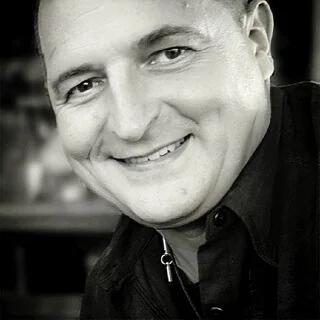
Article by
Dirk J. Lambert (MSc. - CCTS-I)
Dirk J. Lambert is a Licensed Psychotherapist, Mentor, Author, and Certified Trauma & EMDR Specialist with more than 25 years of experience helping people recover from trauma, depression, burnout, emotional abuse, and long-standing unresolved pain. His work is known for being direct, compassionate, and highly practical.
A twice-ordained Buddhist monk, Dirk bridges clinical trauma care with mindfulness, discipline, self-observation, and deep emotional honesty. He does not hide behind jargon, labels, or unnecessary complexity. He listens carefully, speaks plainly, and works toward meaningful change.
New Paradigm reflects the philosophy he has built over decades: intentionally small, deeply personal, private by design, and focused on what actually helps people recover from the inside out rather than simply cope more elegantly.