What if the reason your years of therapy haven't resolved your burnout is that your intellect is actually working against your healing? You've likely mastered the art of explaining your history; you can chart your triggers and discuss your past with clinical precision. Yet, despite the professional success and the logical understanding, you remain privately exhausted. You're not alone in this disconnect. A 2023 Deloitte study found that 77% of professionals have experienced burnout, yet for many, this stress is actually the mask of unresolved pain. You don't need another hospital gown or a crowded clinic. You need a space for deep work where you can finally stop performing and explore residential trauma treatment that respects your privacy.
This guide explores how boutique care provides the clinical depth and private sanctuary necessary to move beyond mere coping. We'll examine why traditional settings often fail high-functioning individuals and how an intensive, four-client model allows for true nervous system regulation. You'll discover the path to a recovery that feels like a sanctuary, offering the tools for long-term stability and a mind that is finally, deeply quiet.
Key Takeaways
- Understand why the standard "clinical hour" is often insufficient for deep-seated trauma and how a dedicated container allows for true neurobiological restoration.
- Discover how intensive residential trauma treatment utilizes Polyvagal Theory and EMDR to rewire a nervous system stuck in a state of constant survival.
- Learn to evaluate the quality of care by prioritizing boutique environments that offer hospital-grade clinical standards within a private, non-institutional sanctuary.
- Explore the strategic role of "monastic stillness" and secluded natural environments in facilitating a recovery that moves beyond coping to deep psychological healing.
- Identify the unique clinical advantages of a "Four Client Max" model, where depth of focus replaces the impersonal scale of traditional treatment centers.
Beyond Weekly Therapy: Why High-Functioning Professionals Need Residential Trauma Treatment
The traditional clinical hour is often a mismatch for the complexity of deep-seated trauma. While 50 minutes of talk therapy a week offers a space for reflection, it rarely provides the sustained safety required for the nervous system to truly down-regulate. For the high-functioning professional, this brief window is frequently spent "reporting" on the week rather than processing the underlying pain. You might leave the session feeling heard, yet the internal engine of anxiety continues to hum at a frantic pace the moment you return to your desk. Real change remains elusive because the "clinical hour" lacks the depth needed to reach the survival parts of the brain.
True recovery requires more than a weekly appointment; it demands a dedicated container for neurobiological restoration. This is the primary role of a Residential Treatment Center (RTC). Unlike a hospital or a crowded clinic, a private residential trauma treatment program acts as a sanctuary where the external noise of a demanding career is silenced. This environment allows you to move beyond the cycle of being privately exhausted. You may appear successful on paper, but your body is keeping a different score. Chronic insomnia, irritability, and an inability to feel present are not just signs of stress. They are markers of C-PTSD hidden behind a high-achieving lifestyle.
The Failure of Intellectualization in Trauma Recovery
Many professionals try to "think" their way out of suffering. You might have read every book on trauma and understand your history with clinical precision. However, "knowing" your trauma isn't the same as healing it. The prefrontal cortex, the part of the brain responsible for logic and language, can't simply talk the limbic system out of a survival response. Somatic experiencing serves as the vital bridge between mind and body by tracking physical sensations to release the energy trapped in the nervous system. This process bypasses the intellect to address the physiological roots of your pain.
When Burnout is Actually Unresolved Trauma
In many cases, what looks like workplace burnout is actually a trauma-induced nervous system collapse. High achievers often use success as a sophisticated dissociation tactic; they stay busy to avoid the stillness where pain resides. Data from the American Psychological Association suggests that chronic stress can exacerbate underlying trauma, yet many leaders misidentify their symptoms as simple fatigue. Residential trauma treatment provides the necessary interruption to this pattern. It forces a pause in the performance, allowing you to stop coping more elegantly and begin recovering from the inside out. This transition isn't about learning new management skills, but about finding a genuine internal peace that doesn't depend on your next achievement.
Often, this internal unrest is most visible in our closest bonds. For women who find that their professional burnout is compounded by relationship cycles, Love Reimagined offers a space to explore 1:1 Private Coaching to address anxious attachment and recover from the weight of heartbreak with specialized support.
The Clinical Science of Safety: How Intensive Programs Rewire the Nervous System
Recovery from deep-seated trauma isn't a matter of willpower; it's a biological process. When you're privately exhausted from years of hypervigilance, your nervous system remains locked in a state of survival. Polyvagal Theory, pioneered by Dr. Stephen Porges in 1994, explains that a traumatized brain is often stuck in "fight or flight" or a "shutdown" state. True healing requires moving back into a state of social engagement. A high-quality residential trauma treatment program provides the "felt safety" necessary for this shift, allowing the brain to finally prioritize repair over protection.
Within a secluded, trigger-free environment, the brain's neuroplasticity is no longer hindered by the constant noise of daily stressors. This 24/7 clinical support ensures that when difficult memories surface, they're met with immediate containment. This isn't a crowded hospital or a sterile clinic; it's a controlled sanctuary where the nervous system can finally let down its guard. By removing the external triggers of a chaotic life, the brain begins to rewire itself, moving from a baseline of fear to one of grounded stability.
EMDR Therapy: The Engine of Rapid Reprocessing
EMDR (Eye Movement Desensitization and Reprocessing) facilitates the "digestion" of traumatic memories that have become stuck in the limbic system. In a traditional outpatient setting, you might see a therapist once a week, often spending half the session just "re-opening" the wound. In an intensive format, EMDR sessions prevent the emotional re-sealing that happens between weekly appointments. Bilateral stimulation, achieved through rhythmic eye movements or tactile taps, facilitates communication between the brain's hemispheres to desensitize the emotional charge of a memory. This concentrated approach aligns with the evidence-based trauma treatment guidelines established by the VA and DoD to ensure clinical efficacy and lasting resolution.
Nervous System Regulation and Somatic Healing
Talk therapy often fails to reach the parts of the brain where trauma actually lives. Somatic modalities address the physical tension and elevated cortisol levels that characterize chronic PTSD. Because the body remembers what the mind tries to forget, incorporating body-based release is essential. You can't just intellectually understand your way out of a panic attack. You must teach your body that it's safe through mindfulness, discipline, and somatic experiencing. This integrated approach to residential trauma treatment ensures that the "felt safety" experienced in the clinic becomes a portable skill you carry home. When you're ready to move beyond just coping, you can learn more about this inside-out recovery. By regulating the nervous system first, the emotional processing finally has a stable foundation upon which to build.
Sanctuary vs. Institution: Evaluating Quality in Residential Trauma Care
Choosing the right residential trauma treatment often feels like a choice between two extremes. On one side, you find sterile, clinical hospitals that feel cold and dehumanizing. On the other, you find luxury wellness retreats that offer comfort but lack clinical depth. True recovery requires a middle path: a sanctuary that provides hospital-grade clinical standards within a private, non-hospital environment. This distinction is vital for those who are high-functioning on paper but privately exhausted by the weight of unresolved pain.
The boutique advantage is the cornerstone of high-quality care. By limiting intake to a maximum of four clients, the clinical focus remains entirely on you. This isn't about vanity; it's about the intensive nature of nervous system regulation. When a clinical team isn't managing forty files, they can focus on the subtle nuances of your specific history. In this intimate setting, your privacy and discretion are guaranteed. For high-profile individuals or professionals, the fear of being "seen" in a large facility is often the primary barrier to seeking help. A secluded, private environment removes that obstacle, allowing you to focus on the work of recovering from the inside out.
We explicitly reject the toxic positivity found in many modern programs. We don't offer flowery marketing fluff or promises of instant happiness. Instead, we practice compassionate realism. We acknowledge that the path through trauma is somber and difficult. We provide the grounded, clinical expertise to lead you through the darkness, respecting the gravity of your experience without trying to mask it with superficial optimism or "good vibes."
The Pitfalls of Large-Scale Treatment Centers
In high-volume facilities, clients frequently fall through the cracks. When a center manages dozens of individuals, one-size-fits-all protocols become the default. These rigid structures fail complex trauma cases because they prioritize administrative efficiency over individual healing. This institutionalized approach often reinforces the "rehab" stigma, making the process feel like a punishment rather than a path to freedom. Real change requires a personal environment where you're known by name, not by a chart number.
Clinical Expertise and the Founder-Led Model
Quality care depends on the experience of the hands holding it. Our model is anchored by a founder with over 25 years of experience in trauma care. This ensures a unified therapeutic philosophy across all sessions. In larger centers, your care is often fragmented between junior therapists and rotating interns. Here, a small, senior clinical team ensures continuity. You won't spend your energy repeating your history to new faces; instead, every hour is used for deep, uninterrupted work that respects your time and your intelligence.
Planning Your Recovery: Logistics, Timing, and the Chiang Mai Advantage
Deciding to enter residential trauma treatment is a monumental shift. It's the moment you stop trying to cope more elegantly and start the actual work of recovering from the inside out. For many high-functioning individuals, the logistical hurdles feel as heavy as the emotional ones. You're likely privately exhausted, managing a career or family while your internal world is falling apart. Choosing the right environment isn't just about luxury; it's about clinical efficacy and the physical space to breathe.
The Geography of Healing: Why Thailand Works
Chiang Mai has evolved into a global center for mental health excellence over the last 25 years. This isn't accidental. The region offers what clinicians call radical relocation. By removing yourself from the physical streets and rooms where your trauma was triggered, you give your nervous system an immediate reprieve. In a 2022 survey of international mental health facilities, Southeast Asian centers often reported staff-to-client ratios of 3:1 or better. This level of personalized care is nearly impossible to find in Western hospitals where ratios are often 10:1 or higher.
- Monastic Stillness: The local culture, deeply rooted in Buddhist philosophy, provides a backdrop of non-judgment and quietude that supports deep emotional processing.
- Cost and Quality: You receive premium, private care that often costs 40% to 60% less than comparable high-end facilities in the US or UK, allowing for longer, more sustainable stays.
- Natural Regulation: The lush, tropical environment acts as a natural co-regulator for a stressed brain, moving you from a state of hyper-vigilance to one of safety.
Preparation and Practical Steps
Stepping away from your life requires a clear strategy. You don't need to explain your entire history to everyone. When speaking to colleagues, a simple script works best: "I'm taking a 30-day medical leave to address a health matter and won't have access to email. Please contact [Name] for anything urgent." For family, focus on the outcome: "I've realized I'm not functioning at my best, and I'm going to a private facility to ensure I can be fully present for you when I return."
The intake process usually begins with a 60 to 90-minute clinical assessment to map out your specific needs. It's helpful to remember that your recovery begins the moment you commit to the journey, as the pre-arrival mindset shifts your brain from a state of survival to a state of intentional healing. This mental preparation is just as vital as the clinical work itself.
A typical day in a high-end program balances intensive clinical work with structured rest. You might start with morning nervous system regulation, followed by two hours of deep emotional processing such as EMDR or somatic experiencing, and end the day with reflective mindfulness. It's a disciplined, evidence-based path back to yourself. If you're ready to move beyond the exhaustion, explore our private sanctuary in Chiang Mai.
The New Paradigm: A Private Clinical Retreat for Deep Psychological Restoration
Most recovery facilities operate on a model of volume. They're designed to fill beds, manage symptoms, and move individuals through a standardized curriculum. We've spent twenty-five years realizing that for the high-functioning individual, this approach often fails. You don't need a hospital or a crowded clinic. You need a sanctuary where clinical rigor meets monastic mindfulness. Our approach to residential trauma treatment is built on the belief that deep work requires a quiet, uninterrupted space that mirrors the complexity of your internal world.
We strictly maintain a "Four Client Max" rule. This isn't about exclusivity for its own sake; it's about clinical depth. In a traditional facility, you're one of thirty. At New Paradigm, you're one of four. This allows our team to provide an intensity of focus that's impossible elsewhere. We don't just help you cope more elegantly with your pain. We work to resolve it from the inside out by regulating your nervous system and addressing the somatic imprints of your past.
Our Residential Trauma Program in Chiang Mai
Our facility in Chiang Mai is a secluded, private estate designed for total psychological immersion. It's a space where you can finally stop pretending to have it all together. We tailor every program to address the specific intersections of burnout, depression, and anxiety that often mask underlying trauma. By integrating EMDR with a disciplined therapeutic schedule, we move beyond talk therapy into deep emotional processing. It's a rigorous environment, yet it's anchored in the calm, grounded philosophy of Buddhist mindfulness. You'll find the amenities of a premium retreat, but the focus remains entirely on your clinical restoration.
Sustainable Life After Treatment
The true test of residential trauma treatment isn't how you feel while you're in the sanctuary; it's how you function when you land back in your real life. We know that the flight home can be a trigger in itself. That's why our structured aftercare program is a non-negotiable part of the process. We help you build a new paradigm for your life, ensuring that the stability you found in Chiang Mai survives the pressures of your career and family. We provide the tools to maintain your nervous system regulation long after you've left our care. Your journey from crisis to sustainable stability starts with a single, honest conversation about where you are right now.
If you're ready to move past the exhaustion and begin the work of true recovery, we're here to guide you. Speak with a clinical expert about your recovery journey today.
Choosing the Path to Lasting Restoration
You've likely spent years managing symptoms while remaining high-functioning on paper. It's an exhausting cycle where you're privately falling apart despite your professional success. True healing requires moving beyond the limitations of weekly talk therapy. It demands a focused environment where specialized EMDR and neurobiological trauma protocols can actually rewire a dysregulated nervous system. We founded New Paradigm to provide exactly that. Our clinical team brings over 25 years of experience to a setting that is intentionally small and strictly private. By limiting our sanctuary to a maximum of 4 clients at any time, we provide the deep, uninterrupted focus required for genuine psychological restoration.
Deciding to enter residential trauma treatment isn't about finding a temporary escape. It's about rejecting the idea of coping more elegantly and choosing to recover from the inside out. You've carried the weight of unresolved pain for long enough. Now, you have the opportunity to step into a space designed for your specific needs, where clinical expertise meets a grounded, compassionate reality. A different kind of life is possible, and it starts with the courage to seek a higher standard of care.
Begin your recovery at New Paradigm - Explore our Private Residential Programs
The light is still there. We'll help you find your way back to it.
Frequently Asked Questions
Is residential trauma treatment only for people with PTSD?
No, this level of care is designed for anyone struggling with the heavy weight of unresolved pain, including burnout, developmental trauma, and complex grief. You don't need a formal PTSD diagnosis to seek help when you're privately falling apart. SAMHSA reports that 61 percent of men and 51 percent of women experience at least one traumatic event, and many require a sanctuary to process these experiences safely.
How long does a typical trauma recovery program last?
Most programs last between 28 and 90 days to allow for deep, uninterrupted nervous system regulation. This timeframe isn't arbitrary; it's based on how the brain processes change. Research in the Journal of Clinical Psychology shows that 50 percent of patients require 15 to 20 sessions to achieve significant recovery milestones. A residential stay provides this concentrated clinical focus within a manageable one to three month window.
Can I stay connected to my work while in residential treatment?
You can maintain essential professional obligations, but we prioritize your recovery from the inside out through healthy boundaries. We recognize that our clients are often high-functioning on paper but exhausted in reality. While residential trauma treatment requires a step back from daily stressors, most private centers provide scheduled windows for communication. This ensures your career remains stable while you do the vital work of emotional processing.
What is the difference between a wellness retreat and a clinical trauma center?
A clinical center provides evidence-based medical and psychological intervention, whereas a wellness retreat focuses on temporary relaxation and pampering. Clinical facilities employ licensed therapists who have completed 3,000 or more supervised hours. We aren't a hotel or a spa; we're a professional environment for deep work. We use specific clinical tools to address the root of your suffering rather than just offering a brief escape from it.
Is EMDR therapy included in residential programs?
Yes, EMDR is a cornerstone of modern residential trauma treatment because it's a gold-standard, evidence-based practice. It helps the brain reprocess traumatic memories that are stuck in a loop. By integrating EMDR with clinical expertise and mindfulness, we move beyond just talking about problems. This approach allows you to resolve the physical tension and emotional triggers that keep you trapped in the past.
What happens if I have a co-occurring condition like anxiety or depression?
We treat anxiety and depression as symptoms of your underlying trauma rather than isolated problems. It's very common to struggle with multiple issues at once. The National Institute of Mental Health notes that 50 percent of people with a mental health disorder also experience co-occurring conditions. Our team addresses these together, ensuring your treatment plan is cohesive and focuses on the whole person rather than a single label.
When addiction is a component of these co-occurring challenges, Good Hope GGZ offers specialized clinical trajectories that provide the intensive support necessary for a sustainable recovery.
How do I know if I need residential care or just a therapist?
Residential care is the right choice when weekly 50-minute therapy sessions aren't enough to keep you stable or functional. If you feel like you're constantly on the verge of a breakdown despite your best efforts, you need a higher level of containment. Residential care offers a 24/7 sanctuary where you can focus entirely on your healing without the constant triggers of your daily environment.
What is the cost of trauma treatment in Thailand compared to the US or UK?
Thailand offers premium, world-class clinical care at a significantly lower price point than Western facilities. According to international medical tourism data, specialized residential care in Thailand typically costs 50 percent to 70 percent less than equivalent private centers in the US or UK. This price difference allows for more intensive one-on-one therapy and a much higher staff-to-client ratio, ensuring you receive the personalized attention you deserve.
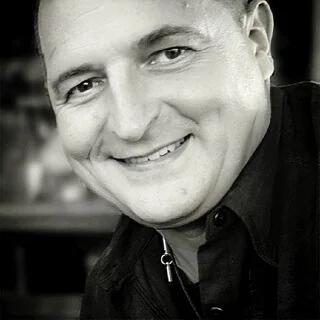
Article by
Dirk J. Lambert (MSc. - CCTS-I)
Dirk J. Lambert is a Licensed Psychotherapist, Mentor, Author, and Certified Trauma & EMDR Specialist with more than 25 years of experience helping people recover from trauma, depression, burnout, emotional abuse, and long-standing unresolved pain. His work is known for being direct, compassionate, and highly practical.
A twice-ordained Buddhist monk, Dirk bridges clinical trauma care with mindfulness, discipline, self-observation, and deep emotional honesty. He does not hide behind jargon, labels, or unnecessary complexity. He listens carefully, speaks plainly, and works toward meaningful change.
New Paradigm reflects the philosophy he has built over decades: intentionally small, deeply personal, private by design, and focused on what actually helps people recover from the inside out rather than simply cope more elegantly.