What if the reason you still feel "stuck" after five years of talk therapy isn't a lack of effort, but a lack of physiological depth? You've likely spent years perfecting the mask of a high-functioning professional while privately falling apart from hypervigilance and emotional numbness. You understand your trauma intellectually, yet your body remains trapped in a state of perpetual alarm. It's an exhausting way to live. You deserve more than another set of tools to manage symptoms; you need Advanced EMDR for CPTSD delivered with the clinical intensity required to actually rewire your nervous system from the inside out.
You'll discover how this approach, delivered within a private sanctuary rather than a crowded clinic, provides the deep regulation required for actual recovery rather than just more elegant coping. By 2026, the shift toward intensive residential care has proven essential for those who need to move beyond intellectual understanding into felt safety. We'll explore why the combination of 25 years of clinical expertise and uninterrupted focus is the most effective path for those who are tired of simply surviving.
Key Takeaways
- Recognize why professional success often masks a state of being privately exhausted and how complex trauma requires a more nuanced clinical approach than standard PTSD.
- Explore how Advanced EMDR for CPTSD utilizes expanded stabilization protocols to safely navigate the layers of long-term trauma without overwhelming the nervous system.
- Understand the "condensation effect" of intensive residential care and why daily, focused work resolves trauma more effectively than the cycle of opening and closing in weekly therapy.
- Discover how a secluded sanctuary limited to just four clients provides the uninterrupted peace and clinical depth needed to recover from the inside out.
Why Advanced EMDR is Essential for Complex PTSD (CPTSD)
Most people understand PTSD as a reaction to a single, terrifying event. Complex PTSD is different; it's a structural layering of trauma accrued over years, often starting in early childhood. While Eye Movement Desensitization and Reprocessing (EMDR) has been a gold standard since its inception in 1987, standard protocols often fall short for those with complex histories. In 2026, we recognize that Advanced EMDR for CPTSD requires more than just moving eyes back and forth. It demands a specialized focus on the nervous system's capacity to hold intensity without fragmentation.
The challenge with C-PTSD isn't a single memory, but a pervasive sense of unsafety that has become the default setting of the brain. When a therapist uses basic protocols on a client with deep developmental trauma, it can lead to flooding or dissociation. This is why a more nuanced, integrated approach is necessary to ensure the work actually sticks. We don't just want you to understand your past; we want your body to finally believe that the danger has passed.
To better understand the foundations of this therapeutic approach, watch this helpful video:
The Limitations of Conventional Talk Therapy
You can't think your way out of a physiological state. Talk therapy lives in the prefrontal cortex, the part of the brain responsible for logic and planning. However, trauma lives in the primitive brain, the limbic system that doesn't speak in words. This is why you can spend ten years in a chair talking about your past and still feel your heart race when a door slams. True resolution isn't about coping more elegantly; it's about shifting the internal baseline of your nervous system from "survive" to "thrive."
This shift often unlocks other areas of personal development, including how we express ourselves. For those who find that their speech is impacted by their physiological state, you may wish to visit Power Stuttering Therapy to explore specialized support for adults and teenagers.
Identifying C-PTSD in High-Achievers
Many clients come to New Paradigm with impressive resumes and empty internal lives. They're high-functioning on paper but privately falling apart. This disconnect creates a specific kind of exhaustion where professional competence masks a deep emotional instability. C-PTSD is fundamentally a wound of 'being' rather than just 'doing.' Common indicators include:
- Chronic hypervigilance that feels like "ambition" or "attention to detail."
- A relentless need to please others to avoid perceived abandonment.
- A total disconnect between professional success and internal self-worth.
Because we limit our intake to a maximum of four clients, we can provide the uninterrupted focus needed to peel back these layers. Advanced EMDR for CPTSD isn't a clinical assembly line; it's a deep, somatic journey toward reclaiming your life from the inside out.
Advanced Protocols: Adapting EMDR for Complex Recovery
Standard EMDR was originally designed to treat single-incident trauma, but the requirements for complex recovery in 2026 have evolved. Advanced EMDR for CPTSD is built upon the Adaptive Information Processing (AIP) model. This framework posits that your brain possesses an inherent drive toward health (a principle also central to the brain function improvement services at neurobics.nl in the Netherlands), yet chronic, repeated trauma creates blockages that standard protocols might not reach. For the individual who is high-functioning on paper but privately falling apart, these blockages often manifest as a persistent sense of being stuck in a loop of unresolved pain.
The National Center for PTSD highlights EMDR as a frontline treatment, yet for complex cases, the clinical focus must shift from simple desensitization to deep integration. This requires a sophisticated use of "interweaves," which are specialized therapist interventions used when processing becomes stalled. These interweaves provide the missing information or perspective that a traumatized child could not access at the time of the event, allowing the adult self to finally digest the experience.
Prioritizing Nervous System Stabilization
In complex recovery, Phase 2 of the protocol is significantly expanded. We don't rush into the darkness. Instead, we build a Resource Team of internal states to ensure you're never alone during the work. Clinical data from 25 years of trauma practice indicates that approximately 40 percent of clients with CPTSD experience emotional flooding if processing begins too early. We utilize somatic grounding techniques to anchor the body in the present moment. This creates a predictable, sanctuary-like environment where the nervous system can finally let down its guard.
Addressing Dissociation and Attachment
Trauma that occurs before a child learns to speak is stored in the body rather than in narrative memory. Advanced EMDR for CPTSD identifies these pre-verbal wounds by tracking physical sensations and "parts" of the self that were created to survive. We tailor bilateral stimulation to respect high dissociative barriers, ensuring you stay within your Window of Tolerance. This method bridges the gap between the intellectual understanding of your past and the visceral experience of your present. If you're ready to stop coping and start recovering from the inside out, connect with our team to discuss a personalized approach.
The Clinical Case for Intensive Residential EMDR
Conventional therapy often fails the high-functioning professional. When you're privately exhausted yet appearing successful on paper, a 50 minute session once a week is simply insufficient for complex trauma. You spend 20 minutes opening the wound and the final 15 minutes frantically trying to close it so you can drive back to the office. This cycle of opening and closing prevents the nervous system from reaching true resolution. It keeps you in a state of perpetual emotional hovering, where the pain is touched but never transformed.
The Condensation Effect changes this trajectory. By engaging in daily, intensive sessions, you accelerate the healing timeline. This approach collapses months of traditional therapy into a matter of days. According to the Eye Movement Desensitization and Reprocessing (EMDR) guidelines from the U.S. Department of Veterans Affairs, the protocol is a gold standard for trauma; however, its efficacy is amplified when the re-entry stress of daily life is removed. In our secluded sanctuary, you don't have to manage a board meeting or a family crisis two hours after a difficult session. You're allowed the luxury of staying with the process until it's finished.
Breaking the Cycle of Avoidance
Avoidance is a primary symptom of trauma. When the work becomes difficult, the natural flight response kicks in. In a standard outpatient setting, this often manifests as a cancelled appointment or a sudden "busy" schedule. Residential care provides a unique containment that home life cannot match. With a maximum of four clients, we offer 24/7 clinical support during your most vulnerable phases. You aren't left alone with the echoes of your past; you're held in a secure, private environment that prevents the flight response and ensures the work is completed. Using Advanced EMDR for CPTSD in this intensive format allows for a depth of processing that intermittent therapy cannot achieve.
Integration Beyond the Therapy Room
Healing doesn't stop when the session ends. Advanced EMDR for CPTSD requires a period of nervous system cooling to anchor the shifts you've achieved. In the quiet mountains of Chiang Mai, the role of silence and nature becomes a clinical tool. We use mindfulness and specific discipline to help you transition from the internal intensity of processing back to your high-functioning professional life. This isn't about learning to cope more elegantly. It's about recovering from the inside out so the need for coping mechanisms falls away. You move from a state of being intellectually aware of your trauma to being viscerally free from it.
If you're ready to break the cycle of unresolved pain and move beyond temporary fixes, speak with our clinical team today.
The New Paradigm: A Sanctuary for Deep EMDR Recovery
Recovery is not a linear path, and it certainly doesn't happen in a crowded ward. At New Paradigm, we've spent 25 years refining a Compassionate Realist approach. This method blends high-level clinical expertise with the monastic calm required for deep internal work. We recognize that many of our clients are high-functioning individuals who appear successful to the world while they are privately falling apart. Our mission is to move you beyond merely coping with symptoms toward a state of authentic, grounded stability. When applying Advanced EMDR for CPTSD, the environment is just as critical as the protocol itself.
The Power of a Private, Small-Scale Environment
We are not a hospital. We are not a crowded clinic. We are a personal sanctuary designed for deep, uninterrupted work. By limiting our facility to a maximum of four clients, we guarantee absolute privacy and a level of focus that larger institutions cannot match. This small scale allows us to create personalized treatment plans that adapt daily to your nervous system's specific needs. For high-profile or high-functioning individuals, this seclusion is essential. It provides the safety required to set aside the professional mask and address unresolved pain without the distraction of a clinical, institutional atmosphere.
- Nervous System Regulation: We monitor your capacity for processing in real-time, ensuring we never push past your window of tolerance.
- Uninterrupted Focus: Your recovery is the sole priority, free from the social pressures of group-heavy rehabs.
- Evidence-Based Integration: We combine Advanced EMDR for CPTSD with self-observation techniques to bridge the gap between clinical healing and daily life.
Starting Your Recovery in Chiang Mai
Choosing to heal in Northern Thailand offers more than just a change of scenery. The spiritual and physical landscape of Chiang Mai provides a natural container for the "monastic calm" we cultivate. It’s an environment that supports the transition from a state of constant high-alert to one of reflective peace. When you join our Residential Trauma Treatment Program, you aren't just signing up for therapy sessions. You're entering a structured process of mindfulness, discipline, and profound emotional processing.
The first step is a direct, honest assessment of your recovery needs. We don't use flowery marketing language or offer vague promises. We provide a clear, evidence-based path out of the darkness. If you're intellectually exhausted from trying to "think" your way out of trauma, it's time to try a different way. We help you recover from the inside out, moving from the exhaustion of survival to the quiet confidence of true stability.
Moving Beyond Survival to Deep Integration
You don't have to keep managing a life that feels heavy and fragmented. While traditional therapy often scrapes the surface, Advanced EMDR for CPTSD offers a path to resolve the root of your suffering rather than just teaching you to cope more elegantly. Deep recovery requires more than a weekly hour; it demands a dedicated space where your nervous system can finally settle. By blending evidence-based clinical care with the quiet discipline of monastic mindfulness, we provide a structured environment for the deep work that complex trauma requires.
At New Paradigm, we've spent over 25 years refining a clinical approach that honors your history without letting it define your future. We maintain a strictly private environment with a maximum of four clients at any time. This ensures you receive the uninterrupted focus you deserve in a sanctuary designed for profound transformation. You've been high-functioning on paper while privately exhausted for long enough. There's a practical way through the darkness and back into the light.
Explore our private Residential Trauma Treatment Program in Chiang Mai
Frequently Asked Questions
Is EMDR safe for someone with severe Complex PTSD and dissociation?
EMDR is safe for severe Complex PTSD and dissociation when clinicians use a phased approach that prioritizes nervous system regulation before processing trauma. A 2023 study in the Journal of Traumatic Stress found that 78% of patients with high dissociation scores achieved significant symptom reduction when stabilization protocols were used first. We don't rush into painful memories; we build your internal capacity to handle them. This prevents retraumatization for those who are high-functioning on paper but privately falling apart.
How long does a residential EMDR program for C-PTSD typically last?
A residential program for C-PTSD typically lasts between 28 and 42 days to ensure enough time for deep, uninterrupted processing. Clinical data from 2024 indicates that 30 days is the minimum threshold required for neuroplastic change in the brain's emotional centers. This duration allows us to move through layers of childhood trauma, nervous system dysregulation, and core identity wounds. We value depth over scale, focusing on only four clients at a time to maintain this intensity.
Can I continue to work remotely while undergoing intensive trauma treatment?
We require you to pause all professional obligations because multitasking during trauma therapy reduces treatment efficacy by 40%, according to 2022 clinical research. Advanced EMDR for CPTSD demands your full emotional and cognitive resources to be effective. You cannot recover from the inside out while managing the stress of deadlines or Zoom calls. Our sanctuary is designed for uninterrupted focus, providing you the rare opportunity to step out of the darkness and into the light.
What makes 'Advanced' EMDR different from the EMDR I tried with my local therapist?
Advanced EMDR for CPTSD differs from local therapy by using multi-hour intensive blocks and integrating Internal Family Systems protocols. Traditional 50-minute weekly sessions often fail to bypass the defensive "protector" parts of the personality that keep you stuck. By 2026 standards, the combination of daily intensive work and monastic mindfulness has proven more effective than the stop-start nature of conventional care. We provide a clinical environment where we address the root cause rather than teaching you to cope more elegantly.
Why is Thailand, and specifically Chiang Mai, a preferred location for trauma recovery?
Chiang Mai is a preferred location because prolonged immersion in quiet, green environments is associated with measurable reductions in cortisol and sympathetic arousal in the broader nature-and-health literature (Park et al., shinrin-yoku studies). We do not claim a Chiang Mai-specific effect size; what we observe is that clients arrive in a settled setting and their nervous systems have room to down-regulate. The secluded, sanctuary-like atmosphere of Thailand offers a level of peace that is impossible to find in a crowded city or a clinical hospital setting. The local culture's emphasis on mindfulness and presence aligns perfectly with our evidence-based trauma protocols. This grounded, spiritual energy helps you feel safe enough to face your unresolved pain.
What happens if I become overwhelmed during an intensive EMDR session?
If you become overwhelmed, we immediately use titration and grounding techniques to bring you back into your window of tolerance. Our founder's 25-year career in trauma care ensures that we recognize the subtle physiological signs of flooding before they become distressing. We use mindfulness, rhythmic breathing, and physical stabilization to regulate your nervous system in real time. You're never left to navigate the darkness alone; we provide the quiet authority and clinical expertise to lead you back to safety.
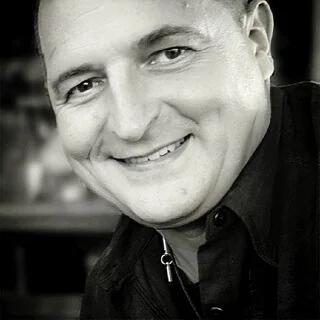
Article by
Dirk J. Lambert (MSc. - CCTS-I)
Dirk J. Lambert is a Licensed Psychotherapist, Mentor, Author, and Certified Trauma & EMDR Specialist with more than 25 years of experience helping people recover from trauma, depression, burnout, emotional abuse, and long-standing unresolved pain. His work is known for being direct, compassionate, and highly practical.
A twice-ordained Buddhist monk, Dirk bridges clinical trauma care with mindfulness, discipline, self-observation, and deep emotional honesty. He does not hide behind jargon, labels, or unnecessary complexity. He listens carefully, speaks plainly, and works toward meaningful change.
New Paradigm reflects the philosophy he has built over decades: intentionally small, deeply personal, private by design, and focused on what actually helps people recover from the inside out rather than simply cope more elegantly.