What if the traditional approach to mental health has been asking you the wrong questions? You've likely spent years perfecting the art of being high-functioning on paper while feeling privately exhausted and spiritually depleted. It's a heavy burden to carry, especially when you've already tried talk therapy or sterile clinics that felt more like processing centers than sanctuaries. Understanding what to look for in a residential treatment center in 2026 is no longer about simply finding a bed; it's about finding a space where your nervous system can finally regulate. You know that a crowded facility with 50 other residents won't offer the privacy or the clinical depth you need to move past simple coping.
This guide provides a rigorous framework for evaluating clinical staff and evidence-based care through the lens of 25 years of trauma-informed expertise. We'll examine why a maximum of four clients is the gold standard for deep, uninterrupted work and how to distinguish between a generic wellness retreat and true clinical healing. You'll learn how to vet a program for its ability to address the root causes of suffering rather than just managing symptoms. By the end, you'll have the clarity to choose a private environment that feels like a home and functions like a world-class clinical center.
Key Takeaways
- Understand why high-functioning individuals often hit a ceiling with traditional outpatient therapy and how to identify when you require an immersive clinical intervention over a standard wellness retreat.
- Learn exactly what to look for in a residential treatment center by prioritizing somatic modalities like EMDR and SE that move beyond talk therapy to address the roots of complex trauma.
- Discover why a "clinical sanctuary" model is essential for nervous system regulation, providing the safety and seclusion necessary to move from mere coping to deep, internal recovery.
- Evaluate the critical benefits of small-scale programs, ensuring you select an environment where a maximum of four clients allows for uninterrupted, personalized clinical focus.
- Gain a practical framework for vetting potential programs during your first inquiry, including specific clinical indicators that signal a commitment to deep healing rather than generic care.
The Shift from Coping to Healing: Why Residential Care?
You've likely spent years managing your symptoms with precision. You've attended weekly therapy sessions, read the latest books on resilience, and maintained a professional exterior that suggests everything is fine. Yet, you're privately exhausted. This is the High-Functioning Paradox: the more capable you are at managing your life, the easier it is to hide the fact that your nervous system is actually falling apart. A Residential Treatment Center (RTC) is not a luxury spa or a wellness retreat; it's an immersive clinical intervention designed for profound psychological restructuring.
Understanding what to look for in a residential treatment center starts with recognizing the difference between mere symptom management and true nervous system restoration. Outpatient care often fails complex trauma survivors because it asks them to process deep pain while simultaneously managing the triggers of their daily environment. True healing requires the removal of external noise. It demands a sanctuary where the only task is the deep work of recovery. At New Paradigm, we see that moving from coping to healing requires a 24/7 clinical container that supports the body as much as the mind.
To better understand the specific criteria for choosing the right facility, watch this helpful video:
When Outpatient Support Is No Longer Enough
Weekly talk therapy is a valuable tool, but it has a ceiling. When you're dealing with deep-seated trauma or chronic PTSD, a 50-minute session once a week isn't enough to reach the roots. Many high-achieving individuals experience decision fatigue, where the mental energy required to choose a meal or answer an email drains the capacity needed for emotional processing. Intensive daily intervention accelerates healing timelines because it allows for continuous, uninterrupted work. Instead of spending half a session "checking in" and the other half "winding down," residential care provides a steady, patient rhythm that keeps you in the work until the breakthrough occurs.
Trauma-Informed vs. Trauma-Focused Care
As you evaluate what to look for in a residential treatment center, you'll notice many places claim to be "trauma-informed." This usually means the staff has a general awareness of trauma's impact. However, "trauma-focused" care is a higher standard. It involves evidence-based modalities like EMDR and somatic experiencing integrated into every hour of the day. Trauma-focused care is a comprehensive clinical lens that views every interaction, protocol, and therapeutic intervention through the specific impact of the client’s lived experience and neurobiology. This distinction is critical for those who don't want to just cope more elegantly, but want to recover from the inside out.
- Nervous System Regulation: Moving beyond intellectual understanding to physical safety.
- Evidence-Based Modalities: Utilizing tools like EMDR to process unresolved pain.
- Intimate Environment: Smaller settings, such as those with a maximum of four clients, ensure your specific needs aren't lost in a crowd.
Clinical Excellence: Evaluating Evidence-Based Modalities
You might be high-functioning on paper, yet privately falling apart. When discerning what to look for in a residential treatment center, don't settle for a facility that only offers traditional talk therapy. Intellectually understanding your trauma is not the same as releasing it from your nervous system. True recovery requires a move beyond the surface. It demands a clinical framework that prioritizes evidence-based treatment modalities designed to address the physiological roots of distress. A 2023 review of clinical outcomes suggests that over 70% of individuals with complex trauma see significantly higher recovery rates when somatic work is integrated into their care plan.
Avoid centers that rely on "cookie-cutter" schedules. These generic programs often force every client into the same cycle of 12-step meetings and large group lectures. Instead, look for a personal environment for deep work. A rigorous program provides individualized treatment plans that adapt to your specific nervous system regulation needs. You should verify clinical rigor by asking for specific data on therapist certifications and the frequency of one-on-one sessions. A sanctuary that limits its intake to a maximum of four clients ensures that your processing is never interrupted by the chaos of a crowded clinic.
The Role of EMDR and Somatic Processing
Reprocessing traumatic memories requires more than conversation. Intensive EMDR sessions within a residential framework allow you to move through years of unresolved pain in a matter of weeks. This approach addresses the "body memory" of trauma, helping you exit the chronic state of fight-or-flight that leaves you exhausted. Somatic work focuses on where the body holds tension, ensuring you aren't just learning to cope more elegantly, but recovering from the inside out.
Vetting the Clinical Team
The personality of a center is defined by its staff. Ask about the staff-to-client ratio; in an elite setting, this should often be 2-to-1 or better. A multidisciplinary team must include psychologists, trauma specialists, and mindfulness mentors who understand the bridge between clinical expertise and lived experience. The founder’s clinical background is also vital. A facility led by someone with a 25-year career in trauma care carries a different level of authority than one run by a corporate investment group. If you are ready to transition from survival to healing, you can speak with a specialist about our clinical approach.
The Environment of Recovery: Sanctuary vs. Hospital
Recovery is not just a cognitive process; it's a physiological one. When you're privately exhausted and your nervous system is stuck in a state of high alert, a sterile hospital environment often feels like a threat rather than a refuge. Fluorescent lights, industrial corridors, and crowded wards can trigger the same "fight or flight" response you're trying to escape. When evaluating what to look for in a residential treatment center, you must consider how the physical space supports nervous system regulation. A clinical sanctuary provides the safety of a medical facility without the coldness of an institution. It uses nature and intentional seclusion to lower cortisol levels, allowing the brain to move out of survival mode and into a state where deep healing can begin.
The balance between luxury and clinical depth is delicate. High-functioning individuals often seek comfort, but comfort alone doesn't facilitate change. A true sanctuary integrates evidence-based trauma care into a peaceful setting. This isn't about indulgence; it's about creating a "container" where you feel safe enough to be vulnerable. Without this sense of safety, the brain remains guarded, making it impossible to process unresolved pain or break long-standing patterns of addiction and depression.
Why a "Wellness Spa" Is Not a Treatment Center
Luxury amenities often mask a lack of clinical depth. A high-end spa might offer massages and organic meals, but it won't resolve the underlying trauma of someone who is falling apart while maintaining a successful career. You need to look past the infinity pools and focus on the evidence-based modalities. It's helpful to review specific questions to ask a residential treatment center to ensure they offer more than just aesthetic comfort. Burnout is more than fatigue; it's a structural collapse of your internal resources. Recovery requires intensive, 1-on-1 therapeutic intervention and a team that understands the weight of your responsibilities, not just a temporary escape from them.
The Clinical Value of Geographic Distance
True recovery often requires a clean break from the triggers of your daily life. Geographic distance creates a psychological barrier between your old habits and your new path. In locations like Chiang Mai, the spiritual calm and cultural shift provide a unique context for breaking rigid patterns of thinking. This seclusion isn't about hiding. It's about creating a private space where you aren't a executive, a parent, or a provider. You're simply a human being doing the hard work of recovery. At New Paradigm, we limit our intake to a maximum of four clients. This ensures the environment remains uninterrupted and focused entirely on your individual needs, allowing for a level of privacy that traditional centers cannot provide.
Privacy, Scale, and the Human Element
Many individuals seeking help feel a deep, quiet dread that they will be reduced to a case file in a crowded facility. This fear is valid. When you are high-functioning on paper but privately falling apart, the last thing you need is a clinical assembly line. Identifying what to look for in a residential treatment center involves looking past the amenities to the actual human element. One of the most critical factors is the ratio of staff to clients. We maintain a maximum of four clients at any given time. This isn't a marketing choice; it's a clinical necessity. It ensures that you are never just another number in a group session.
The Power of Intimacy in Residential Settings
Large rehab models frequently encourage social masking. In a group of twenty or thirty, it's easy to hide behind a persona of "doing well" to avoid the discomfort of being truly seen. Small-scale programs remove this hiding spot. With only four participants, the environment fosters a level of safety where vulnerability becomes possible. Staff can pivot treatment in real-time. If a morning session uncovers a specific trauma, the afternoon schedule can be adjusted immediately to address it. This agility is impossible in larger institutions where schedules are fixed months in advance. True healing requires this level of uninterrupted, focused attention.
Ensuring Discretion and Confidentiality
For the high-profile professional, privacy isn't a luxury; it's a requirement for survival. Your reputation and career depend on absolute discretion. When evaluating a facility, look for a robust privacy policy that goes beyond standard HIPAA compliance. Private-pay facilities often offer superior confidentiality because they don't have to report diagnoses or progress notes to insurance companies. This creates a sanctuary environment where you can do the hard work of nervous system regulation without the fear of your struggle becoming public knowledge. You should verify that the facility is secluded and that staff are trained specifically in the nuances of high-stakes professional confidentiality.
The relationship with staff should be grounded in what we call Compassionate Realism. We don't offer flowery platitudes or toxic positivity. We offer a direct, honest acknowledgment of your suffering combined with the clinical expertise to lead you through it. Understanding what to look for in a residential treatment center means finding a team that is not afraid of your darkness. It's the difference between a cheerleader and a guide who has spent 25 years walking this path. We prioritize depth over scale because deep work cannot be rushed or mass-produced.
If you're ready to move beyond coping and begin recovering from the inside out, speak with us privately today.
Taking the First Step Toward Your New Paradigm
The transition from privately falling apart to seeking professional help is the most vulnerable moment in the recovery journey. Knowing what to look for in a residential treatment center begins with the very first phone call. You aren't just looking for an available bed; you're looking for a clinical resonance that matches your specific exhaustion. Listen for the quality of the silence on the other end of the line. A center that values depth will not rush your story or use high-pressure sales tactics. They will speak with the quiet authority of a mentor who understands that you've been high-functioning on paper while your internal world is in chaos.
Questions to Ask During Your Admissions Call
During your initial inquiry, move past the amenities and focus on the clinical architecture. Ask specifically about the ratio of one-on-one therapy versus group sessions. In a sanctuary environment designed for deep work, you should expect significant individual hours focused on nervous system regulation rather than just sitting in crowded circles. Inquire about their experience with "treatment-resistant" cases. If you've been through traditional 30-day programs and felt unchanged, you need a team with the 25 years of experience required to address the root trauma rather than just the symptoms. Finally, clarify the family communication policy. A sophisticated program involves your support system without allowing them to disrupt the secluded peace necessary for your processing.
Securing Long-Term Stability After Treatment
The most critical phase of recovery is the handover from the residential sanctuary back to your daily life. It's easy to feel healed in a secluded environment; the challenge is maintaining that grounded state when you return to the pressures of your career and family. This is why evaluating the quality of a center's aftercare program is essential. You shouldn't be left to navigate the "real world" alone after such intensive work.
Look for a facility that offers a structured bridge, including remote support and relapse prevention strategies that are evidence-based. A successful transition typically involves:
- Scheduled weekly check-ins for the first 90 days post-treatment.
- Direct access to your primary therapist during volatile moments.
- A concrete plan for local outpatient integration.
True healing isn't about learning to cope more elegantly with your pain. It's about finding the courage to recover from the inside out. When you find a center that limits its intake to a maximum of four clients, you ensure that your path back to the light is uninterrupted and deeply personal. It's time to stop managing your suffering and start your new paradigm.
Move Beyond Coping Toward Lasting Resolution
You've likely spent years being high-functioning on paper while feeling privately exhausted. Realizing that you need more than a temporary escape is the first step toward a new paradigm. When you evaluate what to look for in a residential treatment center, prioritize clinical depth over generic amenities. True healing requires specialized EMDR and somatic trauma care that addresses the nervous system, not just the intellect. It requires a sanctuary where you aren't just another number in a crowded ward.
New Paradigm was founded by clinical professionals with over 25 years of experience to provide exactly this level of intimacy. We limit our intake to a maximum of 4 clients at any given time to ensure your recovery is personal and uninterrupted. We aren't a hospital or a revolving-door clinic. We're a secluded space where you can stop managing your pain and start resolving it from the inside out. You don't have to carry the weight of falling apart alone anymore.
Begin your journey to deep recovery with a private consultation
There is a way back to the light, and it starts with a single, quiet conversation.
Frequently Asked Questions
What is the average length of stay for residential trauma treatment?
The average length of stay for residential trauma treatment is 30 to 90 days to allow for deep nervous system regulation. While 28 day programs were the industry standard in 2024, clinical data suggests that 60 to 90 days significantly improves outcomes for complex PTSD. This duration provides the necessary time to move beyond intellectual understanding into actual emotional processing and lasting change.
Does insurance cover residential mental health programs abroad?
Most U.S. insurance providers don't cover residential mental health programs abroad because they fall outside of domestic provider networks. You should expect to pay out of pocket for international care, though some plans may reimburse 10% to 20% for specific out of network services. When researching what to look for in a residential treatment center, verify if the facility provides a superbill for potential reimbursement.
Can I continue to work or use my phone during residential treatment?
You generally can't use your phone or continue to work during the initial phase of residential treatment. Most private sanctuaries restrict digital access for the first 7 to 14 days to facilitate uninterrupted healing. This boundary protects your nervous system from the stressors of the outside world. It allows you to focus entirely on your recovery rather than maintaining the facade of being high functioning.
What is the difference between residential treatment and a psychiatric hospital?
A psychiatric hospital focuses on 3 to 7 days of acute stabilization and safety, whereas a residential center provides a long term sanctuary for deep work. Hospitals are clinical, sterile, and often crowded. In contrast, a private residential program offers a secluded environment with a maximum of four clients. This setting prioritizes emotional processing and nervous system regulation over mere symptom management.
How do I know if I need residential care or just a long vacation?
You need residential care if your symptoms persist regardless of your environment or if you feel privately falling apart despite a successful career. A vacation provides a temporary escape, but residential treatment offers 30 to 40 hours of weekly clinical therapy. If you've taken 14 days off and still feel exhausted or hyper-vigilant, you likely require the professional intervention of a specialized trauma center.
What happens if I don't feel like I am making progress after the first week?
It's normal to feel stuck or even worse after the first 7 days as your defense mechanisms begin to soften. Clinical psychologists often refer to this as the crisis of change, where the brain resists new patterns. Growth isn't linear. Your clinical team will adjust your treatment plan if you don't see measurable shifts in nervous system regulation by the end of day 14.
Are families involved in the residential treatment process?
Families are integrated into the process through structured 2 to 3 day intensives or weekly virtual sessions. Healing doesn't happen in a vacuum. By involving your support system, the center ensures that the changes you make internally are supported when you return home. This collaborative approach addresses the family dynamics that often contribute to unresolved pain, chronic stress, and emotional exhaustion.
What qualifications should the clinical director of a treatment center have?
A qualified clinical director should hold a PhD or PsyD in psychology and possess at least 15 years of experience in trauma recovery. When evaluating what to look for in a residential treatment center, ensure they have specific certifications in evidence based modalities like EMDR or Somatic Experiencing. Their expertise should blend clinical authority with a grounded, compassionate understanding of the high functioning individual's unique struggle.
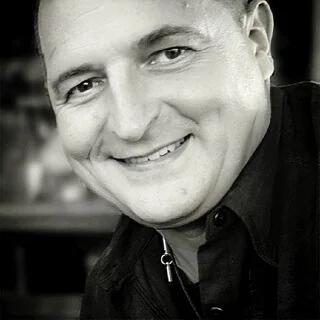
Article by
Dirk J. Lambert (MSc. - CCTS-I)
Dirk J. Lambert is a Licensed Psychotherapist, Mentor, Author, and Certified Trauma & EMDR Specialist with more than 25 years of experience helping people recover from trauma, depression, burnout, emotional abuse, and long-standing unresolved pain. His work is known for being direct, compassionate, and highly practical.
A twice-ordained Buddhist monk, Dirk bridges clinical trauma care with mindfulness, discipline, self-observation, and deep emotional honesty. He does not hide behind jargon, labels, or unnecessary complexity. He listens carefully, speaks plainly, and works toward meaningful change.
New Paradigm reflects the philosophy he has built over decades: intentionally small, deeply personal, private by design, and focused on what actually helps people recover from the inside out rather than simply cope more elegantly.