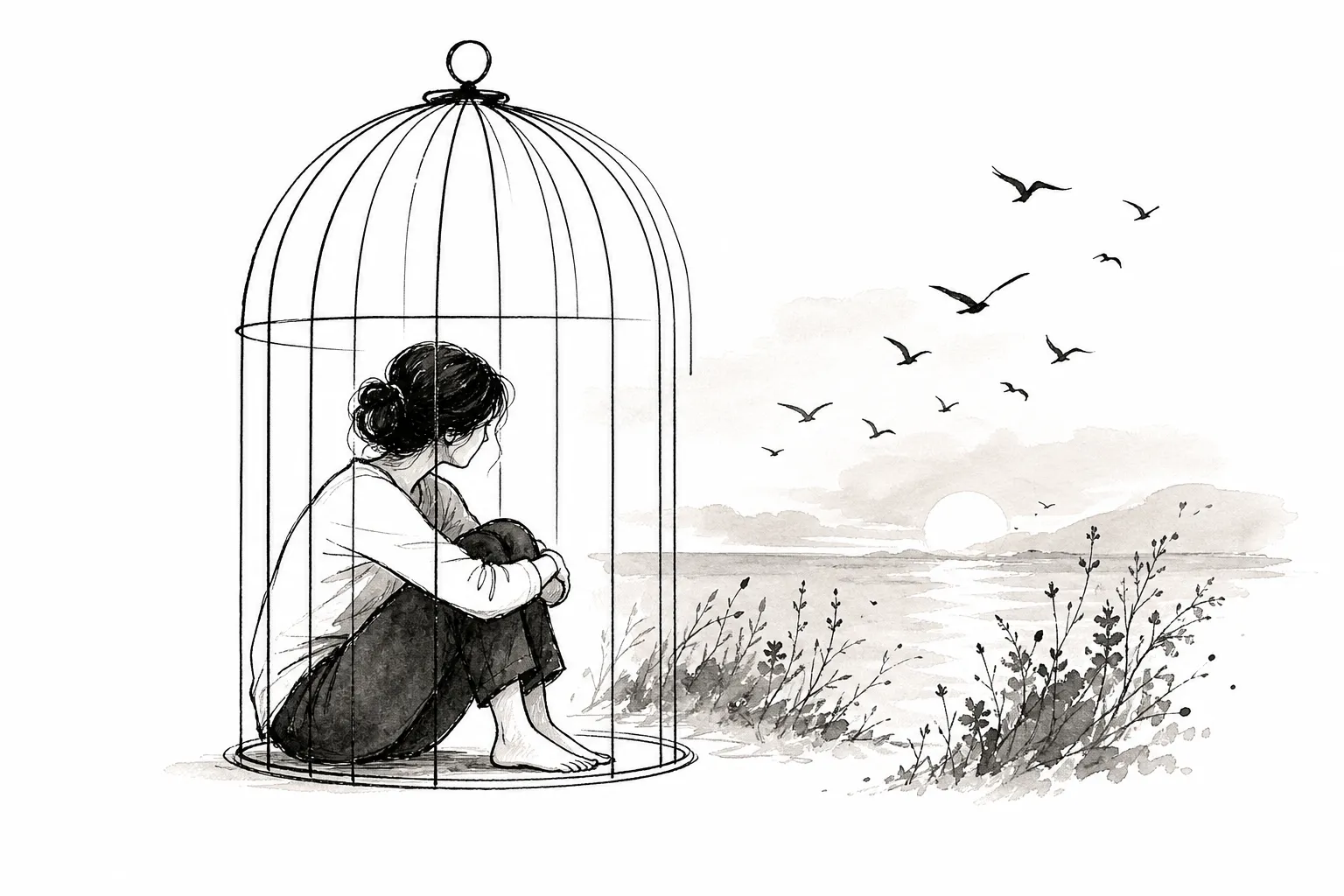
Recovery from sexual abuse is not a straight road. It moves in circles sometimes, takes unexpected detours, and progress can feel invisible until suddenly it is not. One of the most common questions survivors ask, often quietly and after years of managing on their own, is where to begin.
The good news is that research is now clearer than many people realise. Several evidence-based therapies can reduce PTSD symptoms, improve quality of life, and support genuine recovery rather than simply suppressing what surfaces. Understanding what therapy works best for sexual abuse survivors is no longer a matter of guesswork. The evidence points to specific, well-studied approaches that can be matched to individual needs.
This article covers the therapies with the strongest evidence, when each tends to work best, what to realistically expect from treatment, and how to access trauma-informed support across Australia. For some survivors, especially those with complex or longstanding trauma, these approaches can be more powerful when delivered in an intensive setting where therapy takes place more frequently than in standard weekly outpatient care.
Why Sexual Trauma Responds Differently to Therapy
Sexual trauma, especially when it involves betrayal, repeated abuse, or deep shame, can affect the nervous system in ways that differ from other forms of PTSD. Acute threat can reduce prefrontal regulation and affect the higher-order processes involved in logic, language, and rational thinking.
This is not weakness. It is survival biology. It also means survivors cannot always think or talk their way through recovery. The treatment approach matters.
Why Shame and Self-Blame Complicate Standard Counselling
Shame is common in sexual abuse recovery. It can make it harder to trust, speak openly, accept support, or believe that healing is possible.
Approaches that move too quickly into detailed verbal retelling, without enough preparation, can increase distress or strengthen avoidance. Trauma-informed care focuses on asking what happened to a person rather than what is wrong with them.
Evidence-based trauma therapy addresses shame directly rather than bypassing it. For practical guidance on trauma-informed practice in Australia, see the Trauma Practice Paper.
What Clinical Guidelines Recommend
Phoenix Australia’s national PTSD guidelines, aligned with RACGP and NHMRC principles, identify trauma-focused CBT and EMDR as first-line treatments for adults who have experienced sexual assault.
For people with complex PTSD caused by prolonged or childhood abuse, a phased approach is often recommended. This starts with stabilisation and safety before trauma memory processing begins.
Which Therapy Works Best for Sexual Abuse Survivors? The Case for EMDR
EMDR, or Eye Movement Desensitisation and Reprocessing, is a structured therapy that uses bilateral stimulation, often guided eye movements, to help the brain process traumatic memories that remain emotionally raw or unresolved.
One important feature of EMDR is that it does not require detailed verbal retelling of the trauma. For many survivors, this can make treatment feel more manageable and less overwhelming.
How EMDR Processes Traumatic Memory
During EMDR, the therapist and client identify a target memory, activate it carefully, and use bilateral stimulation while allowing the brain to update the emotional response connected to that memory.
Studies involving sexual abuse survivors have reported reductions in flashbacks, improved sleep, reduced emotional reactivity, and greater self-compassion. The theory is that bilateral stimulation may support memory reconsolidation, helping the brain store the event as something that happened in the past rather than something that is still happening now.
For a practical clinical overview, see EMDR for Sexual Trauma.
The Clinical Evidence for EMDR Outcomes
A 2025 review found that EMDR showed moderate to strong effects for reducing PTSD symptoms in sexual assault survivors. One study cited in the review reported that 70% of EMDR participants achieved a good outcome after three active sessions, compared with 29% of people receiving prolonged exposure.
EMDR may also require less between-session homework than prolonged exposure therapy and may have lower dropout rates for some clients.
Timing still matters. A 2021 study found that EMDR delivered very early, between two and four weeks after assault, was not more effective than watchful waiting. A trained clinician should assess readiness before starting trauma processing.
Trauma-Focused CBT for Sexual Assault
Trauma-focused CBT is another first-line treatment recommended by Australian and international clinical guidelines.
It differs from general CBT because it focuses directly on trauma. It includes psychoeducation, trauma-related belief work, gradual exposure to avoided memories or situations, and emotional regulation skills.
It can be particularly helpful for beliefs such as:
- “It was my fault.”
- “I am permanently damaged.”
- “I should have done something differently.”
How Trauma-Focused CBT Works
Treatment often begins by building trust and helping the survivor understand trauma responses. The therapist then helps identify and challenge unhelpful beliefs about the abuse.
Gradual exposure may be used to reduce avoidance of memories, feelings, or situations that have become linked to the trauma. Emotional regulation and long-term coping skills are developed throughout treatment.
Trauma-focused CBT often requires more between-session work than EMDR. It can still produce meaningful reductions in PTSD symptoms and improvements in quality of life.
When Trauma-Focused CBT May Be the Better Fit
Trauma-focused CBT may suit survivors who are verbally expressive, cognitively focused, and ready to work directly with beliefs about responsibility, shame, or self-worth.
It can also be useful for people who feel safer with a structured, skills-based approach. Adapted forms of trauma-focused CBT are widely used with children and adolescents who have experienced childhood sexual abuse, often involving caregivers where appropriate.
Somatic Therapy and NLP: Working With the Whole Person
EMDR and trauma-focused CBT have the strongest evidence base for sexual trauma. Many trauma-informed practitioners also use somatic approaches and, in some settings, NLP as complementary tools.
Sexual trauma can affect more than conscious memory. It may also show up through muscle tension, breath-holding, hypervigilance, dissociation, sleep problems, and nervous-system dysregulation.
Somatic Therapy: Working With the Body
Somatic experiencing and sensorimotor psychotherapy help survivors notice physical sensations, reduce stored physiological arousal, and rebuild a sense of safety in the body.
Early research suggests that body-based approaches can reduce PTSD symptoms and depression. They may be especially useful for survivors who dissociate, find verbal processing overwhelming, or experience chronic pain, fatigue, or high levels of physical tension.
Many clinicians use somatic approaches alongside EMDR or trauma-focused CBT rather than as stand-alone treatment.
Where NLP Fits in Trauma Recovery
NLP, or Neuro-Linguistic Programming, focuses on how people mentally represent experiences. Some techniques aim to reduce the emotional charge of traumatic memories, interrupt unhelpful thought patterns, and strengthen internal resources.
The formal research base for NLP is less established than the evidence base for EMDR and trauma-focused CBT. Mainstream clinical guidelines do not list NLP as a first-line PTSD treatment.
In some intensive treatment settings, NLP-derived techniques may be used as a complementary approach where EMDR and CBT remain the main clinical foundation. Survivors considering a programme that includes NLP should ask about practitioner qualifications and how NLP is used alongside evidence-based trauma treatment.
Complex Trauma and Childhood Sexual Abuse
Many survivors experienced prolonged, repeated, or childhood abuse. These experiences may lead to complex PTSD rather than single-incident PTSD.
Complex PTSD can affect identity, emotional regulation, relationships, trust, and the ability to feel safe. Beginning intensive trauma processing too quickly can destabilise some people rather than help them.
Why Stabilisation Comes First
Australian guidelines and the Australian Psychological Society support a phased model for complex trauma:
- Stabilisation and safety
- Trauma processing
- Integration and consolidation
For many survivors of childhood sexual abuse, stabilisation is already a major part of treatment. This may involve emotional regulation skills, a safe therapeutic relationship, self-soothing strategies, and predictable routines.
Moving too quickly past this stage can increase dropout risk. For further guidance, see PTSD Guidelines: Treatment Recommendations.
DBT and Skills Training for Emotional Regulation
For survivors experiencing severe emotional dysregulation, self-harm, or dissociation, DBT-informed skills may be used before trauma memory processing begins.
STAIR, or Skills Training in Affective and Interpersonal Regulation, is one model that helps people manage distress, regulate emotional intensity, and improve interpersonal responses.
Complex trauma treatment may take 12 to 18 months or longer. Recovery is possible, but it requires pacing, patience, and skilled support.
Finding Trauma-Informed Support in Australia
Finding the right support can feel overwhelming when someone is already carrying fear, shame, or emotional exhaustion. Not all therapy is trauma-specific, and survivors deserve care from practitioners trained in evidence-based trauma treatment.
Australian Services and Support Options
If you are unsure where to begin, 1800RESPECT can provide crisis support and referral guidance.
- 1800RESPECT — 1800 737 732, available 24 hours a day, seven days a week. National crisis support and referral service for people affected by sexual violence.
- Blue Knot Foundation — 1300 657 380, Monday to Sunday from 9am to 5pm AEST. Support for adult survivors of childhood and institutional abuse.
- CASA Services, Victoria — Specialist sexual assault services coordinated through Sexual Assault Services Victoria.
- NSW Health Sexual Assault Services — Specialist sexual assault services available across New South Wales.
- SARC Networks — Sexual Assault Resource Centres offering medical and counselling support, particularly in Western Australia.
Many public services have waitlists, and appointments may be limited, particularly for people who need longer-term structured support for complex trauma.
When Weekly Outpatient Therapy Is Not Enough
If standard outpatient therapy has not brought resolution, this does not mean the survivor has failed. Some people with complex PTSD, childhood sexual abuse, or longstanding trauma may benefit from more concentrated treatment.
Intensive formats provide therapy more frequently than weekly outpatient sessions. This may help some people shift entrenched trauma patterns more efficiently. Outcome data varies between private programmes, so people should ask providers directly about practitioner qualifications, treatment structure, and how outcomes are measured.
For examples of intensive trauma recovery options, see Holistic Trauma Treatment Centres Worldwide.
New Paradigm is a private residential retreat in Chiang Mai, Thailand, offering one-to-one EMDR, CBT, and complementary approaches within small, individualised programmes.
The programme is capped at a small number of clients at a time to maintain personalised care. A confidential evaluation is available before any commitment. Prospective clients should ask about practitioner qualifications, accreditation, and outcome measurement before choosing any private treatment programme.
For further information about trauma recovery in Chiang Mai, see Recovery in Chiang Mai.
What the Evidence Means for Your Next Step
EMDR and trauma-focused CBT are the most strongly supported treatment options for sexual trauma. Somatic approaches can offer useful complementary support, especially for people experiencing dissociation, chronic tension, hyperarousal, or difficulty feeling safe in their own body.
Survivors of complex or childhood trauma often benefit from a phased approach that starts with stabilisation before trauma processing begins.
Recovery means more than reducing symptoms. It can mean rebuilding trust, restoring identity, reducing shame, and creating a life that is no longer organised around what happened.
When choosing a therapist or treatment programme, the clinician’s trauma-specific training, the pace of treatment, and the quality of the therapeutic relationship matter as much as the treatment modality itself.
Whether your next step is contacting 1800RESPECT, speaking with a local specialist service, or exploring an intensive treatment programme, reaching out is a meaningful first step. Survivors deserve care that matches the depth of what they have lived through.