You can't think your way out of a physiological breakdown. For the high-functioning professional, the most dangerous trap is the ability to intellectually understand trauma while the body remains in a state of constant, silent alarm. You're successful on paper but privately exhausted; your nervous system is stuck in a loop that a standard week-long vacation cannot break. Choosing an intensive therapy retreat for adults isn't about escaping your life. It's about finding a clinical sanctuary where the work of deep recovery finally takes precedence over the performance of having it all together.
It's frustrating to feel stuck despite having every resource at your disposal. You know that traditional hourly therapy often feels like trying to put out a forest fire with a garden hose. This guide offers a clear, evidence-based framework for moving beyond surface-level coping. You'll learn how to identify a program that prioritizes nervous system regulation and emotional processing over generic wellness trends, such as those that limit intake to a maximum of four clients to ensure depth. We'll explore the essential criteria for a clinical reset, helping you find a path out of the darkness of burnout and into a life of sustainable peace.
Key Takeaways
- Identify why high-functioning adults who are "privately falling apart" require a concentrated clinical intervention rather than a standard vacation or wellness retreat.
- Understand the biological necessity of an intensive therapy retreat for adults to move beyond surface-level coping and begin true nervous system reprogramming.
- Learn to distinguish between clinical recovery programs and generic wellness spas to ensure your trauma or burnout is met with professional expertise rather than "fluff."
- Access a vetting checklist of essential questions to ask providers to gauge their clinical authority and commitment to deep psychological work.
- Discover the value of a private sanctuary model that limits intake to four clients, ensuring the individual focus necessary for long-term recovery.
Beyond Surface Coping: Why High-Functioning Adults Seek Intensive Therapy
An intensive therapy retreat for adults is a concentrated clinical intervention designed for those who find themselves successful on paper but privately falling apart. It is not a luxury vacation or a wellness spa; it's a rigorous psychological sanctuary. While the Therapeutic Community Model often focuses on group dynamics for long-term recovery, these intensives prioritize private, one-on-one depth to address the weight of unresolved pain. High-achieving individuals often excel at coping more elegantly, yet they remain exhausted by the effort of maintaining an external facade while their internal world feels increasingly fractured.
To better understand the mechanics of this deep work, watch this helpful video:
Traditional 50-minute weekly sessions often fail to reach the core of deep-seated trauma. Just as the nervous system begins to settle and the therapeutic momentum builds, the clock runs out. This creates a cycle of opening a wound and immediately bandaging it without ever cleaning it. In contrast, an intensive format utilizes consecutive days of work to maintain an open channel to the subconscious. This allows for a level of emotional processing that is impossible in a fragmented schedule. At New Paradigm, the focus is on moving past the surface to address the root of the suffering.
The Limits of Intellectualized Talk Therapy
Many adults can intellectually understand their trauma without feeling any relief from its triggers. This is because the prefrontal cortex, the brain's logic center, often acts as a gatekeeper that blocks deep emotional processing during short sessions. By spending several uninterrupted hours in a clinical setting, you can bypass these cognitive defenses. This allows the work to reach the limbic system, where the body stores the visceral experience of stress and fear. Understanding is not the same as healing.
Signs You Need More Than an Hour a Week
If you feel like you are merely managing symptoms rather than resolving the core issue, it is a clear indicator that your current approach has plateaued. Common signs include:
- Persistent burnout that does not improve even after significant time off.
- Physical manifestations of stress such as chronic fatigue, insomnia, or unexplained muscle tension.
- A sense of being stuck in therapy for months or years with no tangible shift in emotional reactivity.
When the internal pressure becomes unsustainable, the move toward an intensive therapy retreat for adults represents a shift from maintenance to true recovery. It is a commitment to resolving the pain from the inside out.
The Clinical Mechanics: How Intensive Retreats Reprogram the Nervous System
Traditional therapy often circles the drain of narrative. You talk about the pain, you analyze the symptoms, and you intellectualize the trauma; yet, the underlying nervous system remains stuck in a loop of survival. An intensive therapy retreat for adults breaks this cycle by prioritizing neurological processing over intellectual conversation. It isn't about talking more. It's about feeling through the layers of unresolved pain that standard 50-minute sessions barely touch. For the high-functioning individual who is privately exhausted, this format provides the biological necessity of uninterrupted time.
Deep psychological work requires a specific physiological state. When the brain enters a state of deep processing, interruptions act as a reset button, forcing the individual back into their protective, high-functioning mask. A clinical intensive provides the space to bypass these defenses. While many people understand What is Intensive Outpatient Therapy? and its role in stabilization, a retreat-based intensive goes further. It blends clinical trauma care with the discipline of monastic mindfulness to create a unique environment where the brain can finally prioritize its own healing.
EMDR and Somatic Processing: Beyond the Narrative
In an intensive setting, EMDR (Eye Movement Desensitization and Reprocessing) functions as a surgical tool rather than a weekly check-in. It allows the brain to re-file traumatic memories from the "active threat" folder into the "historical event" folder without the weekly interruption of returning to daily stressors. Somatic healing complements this by addressing the physical bracing and shallow breathing that the body uses to store trauma. Neuroplasticity is the brain's inherent ability to reorganize its neural pathways and physical structures in response to new, intensive experiences of safety and processing.
Nervous System Regulation: Moving Out of Survival Mode
Most clients arrive in a state of hyper-vigilance, their bodies perpetually prepared for a crisis that never ends. Moving into a regulated ventral vagal state requires more than just a quiet room; it requires a secluded sanctuary where the external environment mirrors the internal peace we're trying to build. We maintain a maximum of four clients at any time to ensure the level of personalized, clinical focus that deep recovery demands. This small group size is a clinical requirement for the nervous system to feel safe enough to stand down. If you're ready to stop managing symptoms and start addressing the root cause, you can reach out to our clinical team to discuss your path forward.
Clinical Retreat vs. Wellness Spa: A Buying Guide for Discerning Adults
Choosing between a luxury spa and a clinical program is more than a matter of preference; it's a decision about the depth of your recovery. A wellness retreat offers temporary relief from the noise of life through massage, yoga, and quietude. While these are valuable for general stress, they don't address the root of complex trauma or chronic burnout. An intensive therapy retreat for adults focuses on long term stability rather than a weekend of relaxation. If you're privately falling apart while maintaining a high-functioning exterior, you don't need a vacation; you need a clinical intervention.
The risk of choosing a "wellness" setting for serious psychological issues is significant. Without licensed oversight, deep emotional work can leave a person deregulated and more vulnerable than when they arrived. A 2022 study on intensive healing retreats published in Psychological Trauma indicates that condensed, high-frequency therapy produces measurable symptom reduction, but only when structured within evidence-based frameworks. Clinical depth requires a sanctuary that prioritizes psychological safety over aesthetic luxury.
Identifying Clinical Quality and Evidence-Based Care
When evaluating a program, look past the infinity pool and scrutinize the credentials. You must distinguish between licensed clinical staff and "facilitators" or "coaches" who may lack the training to handle a nervous system in crisis. A professional intensive therapy retreat for adults should utilize proven modalities such as:
- EMDR and Somatic Work: To process trauma stored in the body.
- Nervous System Regulation: Tools to move out of constant fight-or-flight states.
- Structured Aftercare: A plan that ensures your breakthrough doesn't evaporate the moment you return to your daily life.
At New Paradigm, the focus is on recovering from the inside out, anchored by over 25 years of clinical experience. We don't teach you to cope more elegantly; we help you resolve the underlying pain.
Privacy and Group Dynamics: Why Size Matters
For high-profile individuals or those who value absolute discretion, the size of the retreat is a clinical factor. Large groups create a "performance" environment where you may feel the need to keep your guard up. This defensiveness blocks the deep, uninterrupted psychological work necessary for true recovery. A boutique setting is essential for safety.
A maximum of four clients ensures a client-to-staff ratio that accelerates the trust-building process. In this small, secluded environment, the staff can dedicate 30 or more hours of direct clinical contact to your specific needs in a single week. This intimacy allows for a level of focus that is impossible in a crowded facility. It's the difference between being a number in a system and being a human being in a sanctuary.
Evaluating Your Options: A Checklist for Choosing an Intensive Program
Choosing an intensive therapy retreat for adults is a significant commitment of your time, emotion, and resources. You're likely here because you're high-functioning on paper but privately falling apart, and you've realized that weekly hour-long sessions aren't enough to reach the root of your pain. You must look beyond the glossy marketing of infinity pools and focus on the clinical architecture of the program. Avoid any facility that promises "guaranteed cures" or relies on toxic positivity. Real recovery from deep-seated trauma is often messy; it requires evidence-based interventions rather than a simple change of scenery. Dedicate at least 10 to 14 days to vetting a facility before you commit your nervous system to their care.
The Pre-Booking Consultation: Essential Questions
The initial call is your opportunity to look under the hood. Don't settle for a conversation with a sales representative; ask to speak with someone who understands clinical delivery. Use these questions to gauge their expertise:
- What is the specific experience of the founder and lead clinicians? At New Paradigm, our work is anchored by our founder's 25-year career in complex trauma and addiction recovery.
- Is the daily schedule filled with "filler" or clinical hours? Many retreats pad their days with massages or generic group excursions. You need to know how many hours are dedicated to one-on-one emotional processing.
- How do you handle complex trauma or treatment-resistant depression? If the facility can't explain their approach to nervous system regulation or somatic experiencing, they aren't equipped for deep work.
- What is the client-to-staff ratio? We maintain a maximum of four clients to ensure each individual receives uninterrupted, private attention.
Logistics and Environment: Why Chiang Mai is a Global Recovery Hub
Selecting an intensive therapy retreat for adults in a location like Chiang Mai offers a necessary physical and psychological buffer. There's a profound clinical benefit to "geographic distance" from your daily triggers. Removing yourself from the environment where your trauma was formed or maintained allows your nervous system to down-regulate more effectively. The spiritual calm of Northern Thailand provides a unique container for this work, blending ancient mindfulness traditions with rigorous clinical trauma care. This combination helps you move beyond merely an intellectual understanding of your pain toward actual visceral healing. You can explore how these standards compare to traditional models in this guide to residential trauma treatment.
If you're ready to stop coping and start recovering from the inside out, connect with our clinical team today to discuss a tailored path forward.
New Paradigm: A Private Sanctuary for Deep Clinical Recovery
New Paradigm isn't a sterile hospital, a crowded clinic, or a standard rehab facility. It's a clinical sanctuary designed specifically for high-functioning adults who are successful on paper but privately falling apart. When you've spent decades building a life only to find yourself exhausted and emotionally depleted, you need more than a vacation; you need a profound clinical intervention. Our founder's 25-year career in trauma and mental health provides the foundation for this work, blending clinical authority with a grounded, realistic approach to human suffering.
We maintain a strict policy of hosting a maximum of four clients at any given time. This isn't about exclusivity for the sake of status; it's a commitment to the individual focus required for deep work. In this environment, you aren't a case number or a diagnosis. Our intensive therapy retreat for adults ensures you're treated as an individual with a complex history that deserves uninterrupted attention and precise, evidence-based care.
The Path Forward: From Exhaustion to Resilience
Most therapeutic models focus on "coping skills," which often just means learning to carry your heavy burdens with better posture. We reject that approach. Our intensive therapy retreat for adults is built on the philosophy of recovering from the inside out. We use evidence-based tools like intensive EMDR to process unresolved pain at the root, rather than just pruning the branches of your symptoms. This work is supported by a meticulous aftercare structure that bridges the gap between the retreat and your daily life. You don't have to stay in the dark alone; there is a structured way back to the light.
Taking the First Step Toward a New Paradigm
The first step isn't a clinical interrogation; it's a confidential, non-judgmental conversation. We prioritize your privacy and understand the unique pressures faced by those in high-responsibility roles. Our intake process is an exploration of your history and your goals, ensuring that our environment is the right fit for your needs. We offer a secluded space where you can finally set down the weight of expectations and focus entirely on your own nervous system regulation. To explore how a personalized program can help you regain your footing, visit New Paradigm to book a consultation and begin your recovery.
Moving From Surface Coping to Lasting Clinical Recovery
You've spent years managing the weight of being high-functioning on paper while feeling privately exhausted. Real recovery isn't about learning to cope more elegantly with your pain. It's about fundamentally reprogramming your nervous system through evidence-based care. Choosing an intensive therapy retreat for adults is a decision to move beyond the temporary relief of a wellness spa and into the deep work of clinical healing.
At New Paradigm, we've built a sanctuary specifically for this purpose. Our founder brings over 25 years of clinical experience to every session. We limit our facility to a maximum of 4 clients to ensure your recovery is never interrupted by the noise of a crowded clinic. By integrating specialized EMDR and somatic trauma protocols, we help you address the root causes of suffering rather than just the symptoms. You don't have to keep falling apart in secret.
Begin your journey to deep recovery with a confidential consultation at New Paradigm
The path back to the light is ready when you are.
Frequently Asked Questions
Is an intensive therapy retreat more effective than weekly therapy?
Yes, research published in the Journal of Traumatic Stress (2018) indicates that condensed treatment models can achieve similar or superior outcomes to months of traditional weekly sessions. While weekly therapy offers slow progress, an intensive therapy retreat for adults removes the distractions of daily life. This allows your nervous system to remain in a state of processing rather than constantly reacting to external stressors; it's the difference between chipping at a wall and dismantling it entirely.
How long does a typical intensive therapy retreat for adults last?
A standard intensive therapy retreat for adults at New Paradigm lasts between 7 and 21 days, depending on the severity of the trauma being addressed. This duration is based on the biological time required for the prefrontal cortex and amygdala to begin meaningful recalibration. Our 25 years of clinical experience shows that deep recovery requires a minimum of one full week of uninterrupted focus to break through long standing emotional blockages and achieve lasting stability.
What kind of mental health issues can be treated in an intensive retreat?
We specialize in treating complex PTSD, treatment resistant depression, and chronic anxiety. These conditions often stem from unresolved childhood trauma or high pressure professional environments where you're privately falling apart. By focusing on only 4 clients at a time, we address the specific root causes of emotional exhaustion. We don't just teach you to cope more elegantly; we work on the underlying nervous system dysregulation that fuels your suffering.
Will I have to participate in group therapy sessions?
No, New Paradigm prioritizes individual healing through one on one clinical work and small group interactions limited to 4 people. We avoid the crowded, 12 step style meetings found in traditional rehabs. This ensures your privacy and allows for a personalized therapeutic pace. You'll engage in shared mindfulness practices, but your deepest trauma processing happens in a private, secure setting with a dedicated clinician who understands your specific history.
What is the difference between a mental health retreat and a wellness retreat?
A mental health retreat provides clinical intervention led by licensed professionals, whereas a wellness retreat focuses on relaxation and lifestyle habits like yoga or dieting. Wellness retreats offer temporary relief from stress; clinical retreats target the source of your pain. At our sanctuary, we combine 25 years of clinical expertise with monastic mindfulness. This isn't a vacation from your life; it's a structured environment designed for deep, internal recovery from the inside out.
How do I know if I am "high-functioning" enough for this type of program?
You're likely high functioning if you're maintaining a career or family responsibilities while feeling internally hollow or exhausted. Most of our clients appear successful on paper but struggle with a private sense of falling apart. If you can manage daily logistics but feel your emotional resilience is at 10 percent capacity, you're a candidate. We provide the stability and clinical oversight necessary for those who've hit a wall despite their outward success.
Is travel to Thailand for a therapy retreat safe for international clients?
Yes, Thailand is ranked as one of the safest countries in Asia, and our secluded sanctuary provides a secure, private environment. We arrange private transport from the moment you land to ensure a seamless transition into our care. The location is chosen specifically for its natural peace and Buddhist influence; it's a place where you can step out of your life to view it clearly. Your safety and anonymity are our primary clinical priorities.
What happens after the retreat ends to ensure I don’t relapse?
We provide a structured 90 day aftercare plan that includes scheduled follow up sessions and integration tools. Recovery doesn't end when you leave the sanctuary; it's a process of bringing your new insights into your old environment. We work with you to identify specific triggers in your home life and develop a concrete strategy for nervous system regulation. This ensures you don't just return to your life, but you return to it fundamentally changed.
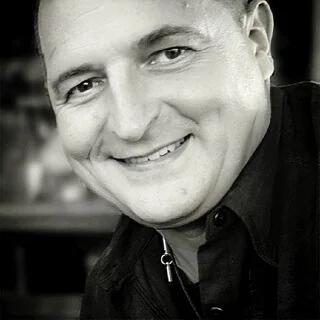
Article by
Dirk J. Lambert (MSc. - CCTS-I)
Dirk J. Lambert is a Licensed Psychotherapist, Mentor, Author, and Certified Trauma & EMDR Specialist with more than 25 years of experience helping people recover from trauma, depression, burnout, emotional abuse, and long-standing unresolved pain. His work is known for being direct, compassionate, and highly practical.
A twice-ordained Buddhist monk, Dirk bridges clinical trauma care with mindfulness, discipline, self-observation, and deep emotional honesty. He does not hide behind jargon, labels, or unnecessary complexity. He listens carefully, speaks plainly, and works toward meaningful change.
New Paradigm reflects the philosophy he has built over decades: intentionally small, deeply personal, private by design, and focused on what actually helps people recover from the inside out rather than simply cope more elegantly.